



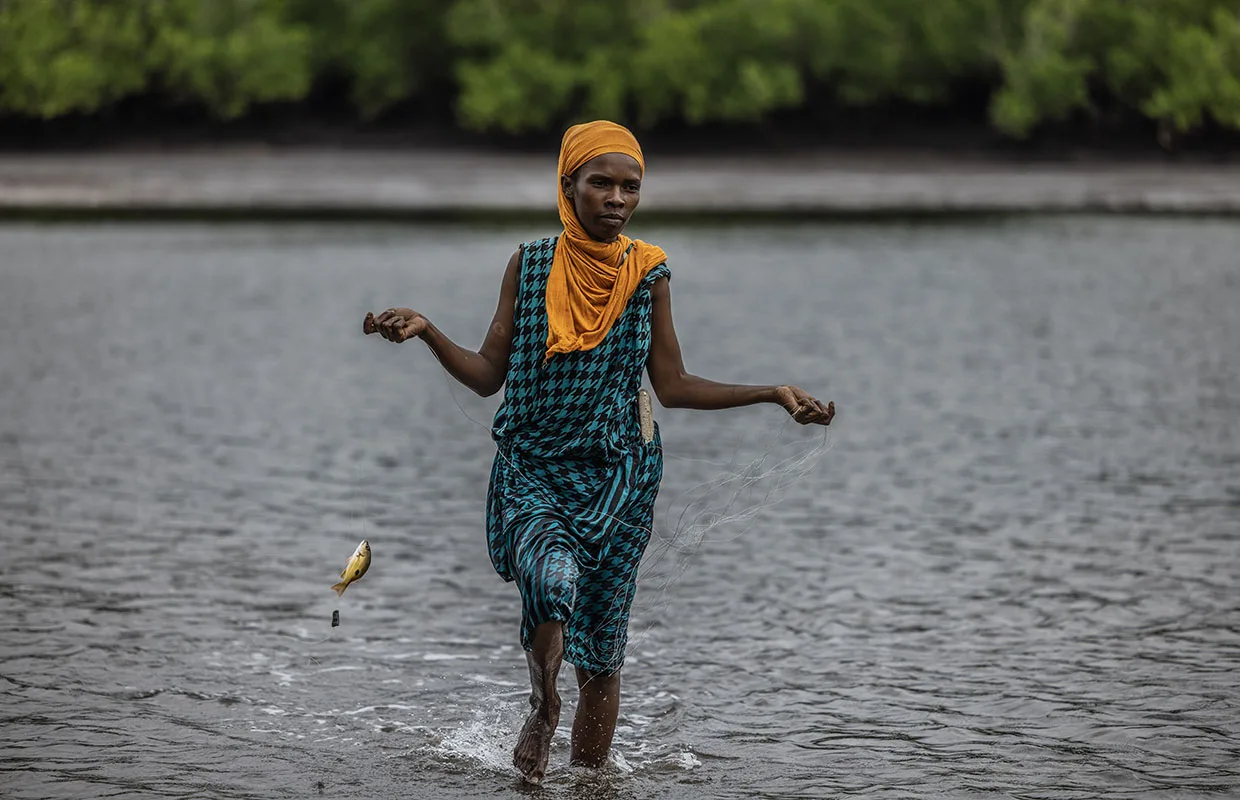
Celebrating women fishers, traders, and processors advancing inclusive ocean protection and coastal livelihoods, Blue Ventures is proudly presenting the visual storytelling project Ocean Matriarchs. Nelly Otieno, East Africa Director, tells us more about how thriving communities create thriving oceans.
RESILIENT WOMEN, RESILIENT OCEAN
“There is a common myth that fisheries are only about men. They may go out into deep waters to fish, but when the fish return to shore, women play critical roles in cleaning, processing, marketing, and preparing them for sale. Women are central to the fishing economy.”
With 2026 declared the UN’s International Year of the Woman Farmer, more attention is being turned towards the women who play a crucial role in global food systems. As stated by Nelly Otieno, East Africa Director at Blue Ventures, women’s contributions across agriculture and fisheries are essential, yet often overlooked.
Specifically, in small-scale fisheries, women make up approximately 47 percent of the workforce supporting around 56 million jobs across the supply chain. Global marine conservation NGO Blue Ventures is working to change this through its photo-led storytelling project, Ocean Matriarchs, which documents women along the climate-vulnerable coastline of East Africa.
“Blue Ventures is a marine conservation organisation that puts communities first,” explains Otieno.
“We reach communities through local organisations and partnerships, working closely with local institutions and trainers who come directly from the communities themselves. This allows the work to be community-led and more responsive to local realities, challenges, and priorities.”
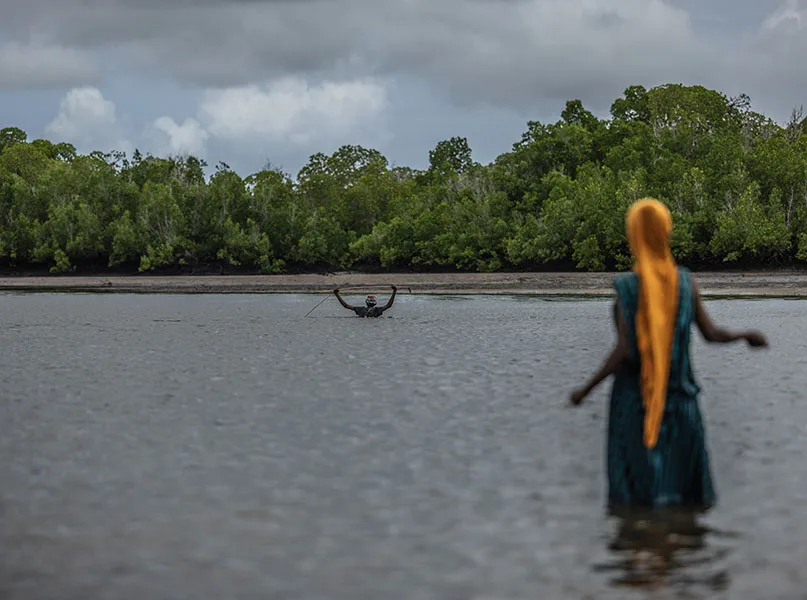
Having started in Madagascar, Blue Ventures now works in more than 12 countries with its headquarters based in the UK. Through various sub-grants and partnerships, the organisation is able to help strengthen community capacity across different thematic areas whilst working closely with government institutions.
Otieno’s journey into marine conservation was shaped by myriad experiences across financial inclusion.
Her career began in community-based microfinance work with a number of institutions in Kenya alongside the UN through the International Labour Organization (ILO). Later, after pioneering rural savings and credit societies in the country, Otieno worked on village savings and loan associations, which quickly found success.
From there, she partnered with the National Treasury, commercial banks, the Central Bank of Kenya, and other organisations to promote financial inclusion in the country, in addition to working with regional banks and mobile providers to develop products that could reach low-income entrepreneurs.
“I already had experience working on financial products for micro-entrepreneurs in agriculture, so when I saw an opportunity with an organisation looking to introduce financial services into the blue economy, I was very interested. I joined Blue Ventures as a result,” expands Otieno.
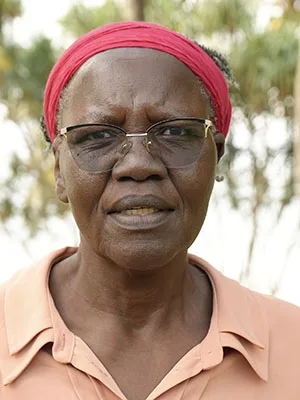
“There is a common myth that fisheries are only about men. They may go out into deep waters to fish, but when the fish return to shore, women play critical roles in cleaning, processing, marketing, and preparing them for sale. Women are central to the fishing economy”
Nelly Otieno, East Africa Director, Blue Ventures
PUTTING COMMUNITIES FIRST
Blue Ventures is a community-led organisation, and when it discusses communities, it is referring to the women therein.
The NGO comprises women who are investing directly in fisheries, with some owning boats and fishing nets and employing men and youth to work for them, further showcasing how women are playing a critical role in the blue economy.
“Blue Ventures is working to better understand and recognise the role women play, not only in fisheries but also in environmental protection,” states Otieno.
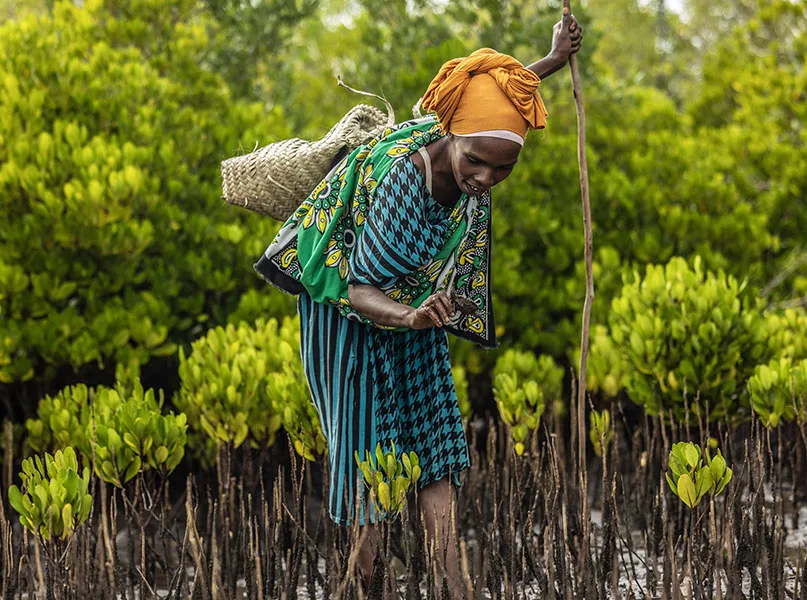
“For example, many women are involved in mangrove restoration because this supports the long-term sustainability of fisheries. We are also ensuring that women are represented in Beach Management Units (BMUs) and leadership structures so they can participate in decision-making processes within fisheries management.”
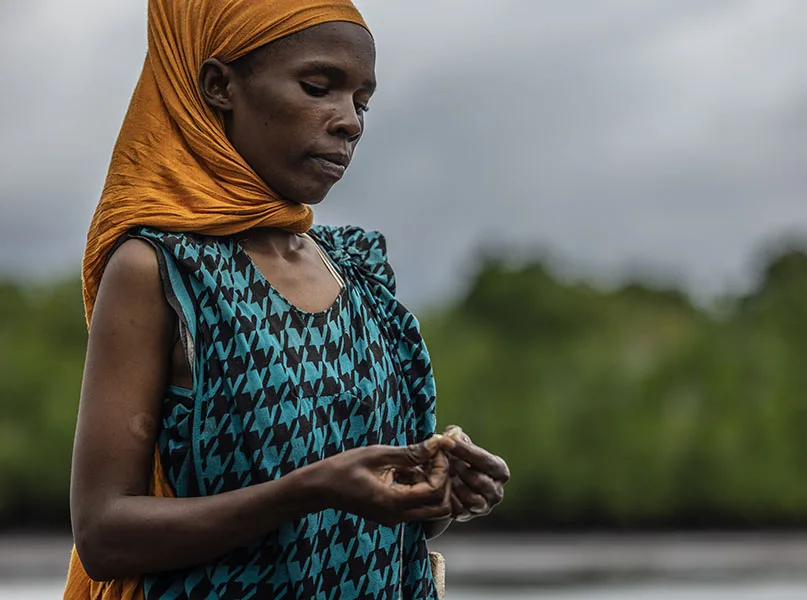
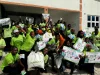
Blue Ventures is further elevating women’s voices through Ocean Matriarchs, which uses visual storytelling to amplify the lived experiences of women in coastal fishing communities, especially those whose contributions to fisheries and climate resilience are often overlooked.
This programme relies on vivid photography, intimate cinematography, and oral narratives to bring audiences closer to the realities women face across the fisheries value chain. Through these visuals and personal testimonies, the stories highlight not only the daily challenges women experience but also the important role they play in food security, household livelihoods, and the sustainability of coastal ecosystems.
Through these stories, audiences are able to see how women navigate socioeconomic barriers whilst leading change within fisheries spaces.
“The storytelling also connects women’s experiences to broader conversations around climate resilience and inclusive fisheries management. By visually demonstrating women’s relationships with coastal ecosystems such as mangroves and fisheries, Ocean Matriarchs shows why their participation in leadership and decision-making is essential for thriving oceans and communities,” Otieno insights.
“Blue Ventures is working to better understand and recognise the role women play, not only in fisheries but also in environmental protection”
Nelly Otieno, East Africa Director, Blue Ventures
ELEVATING FISHERWOMEN’S VOICES
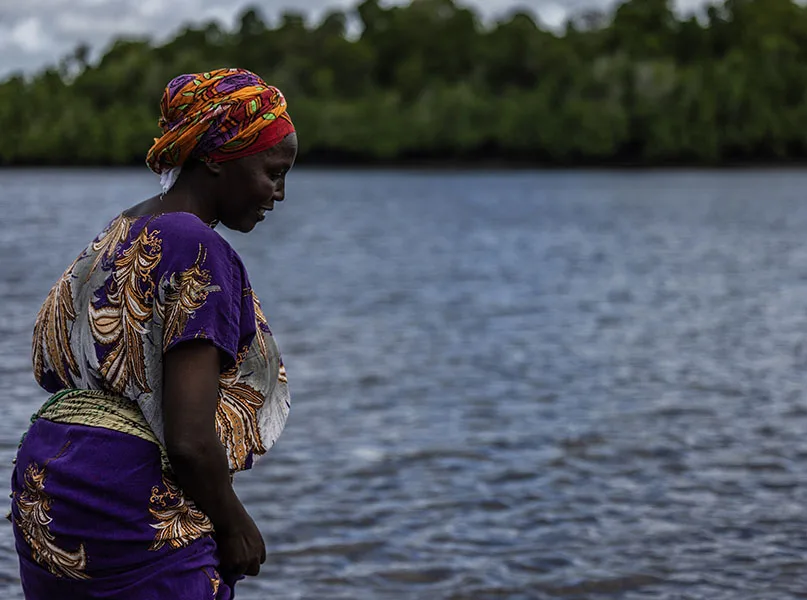
Ocean Matriarchs specifically features individuals whose lives and work reflect the undervalued role women play in fisheries, food security, and community resilience.
Amina Komora, one of the featured matriarchs, is from the Sanye community in Mkunumbi, Lamu – a marginalised community in a fisheries-rich region of northern Kenya, wherein Komora leads a group of 20 women fishers and advocates for rights, economic resilience, and sustainable marine resource management.
Her story reflects both the leadership role women play within coastal communities and the barriers many continue to face.
“We also feature Riziki Said from Matondoni in Lamu, who is a prawn processor and trader, alongside the breadwinner for her family. Through the Matondoni Prawn Processors group, women have built livelihoods around fisheries processing and trade, whilst creating employment opportunities for fishers. Her story highlights the critical role women play in supporting household incomes and local economies through fisheries value chains,” expands Otieno.
Another matriarch is Amina Musa, who has worked across different areas of fisheries leadership and community organisation in Lamu. She is the Treasurer of the Amu BMU, a fish trader, Chairlady of the Lamu Mama Karanga Self-Help Group, and Secretary of the Lamu Fish Processors Group.
Her experience exemplifies how women are contributing not only to fisheries trade and processing but also to governance, research, and decision-making within coastal fisheries management.
“Together, these stories help demonstrate that women are not just supporting fisheries from the sidelines. They are leaders, businesswomen, organisers, and environmental stewards who are helping shape more resilient coastal communities,” notes Otieno.
AFFORDABILITY AND ACCESSIBILITY
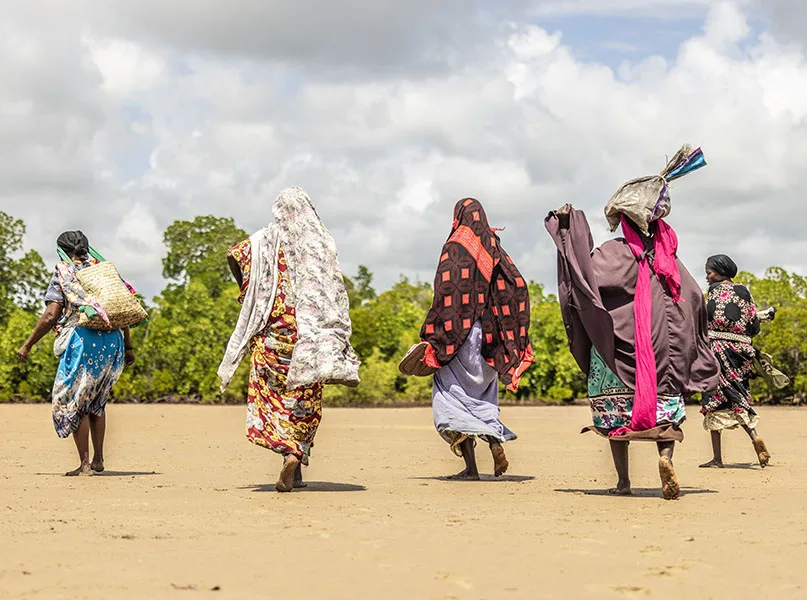
For Blue Ventures, food security boils down to affordability and accessibility. Coastal communities, and especially women, continue to face food insecurity despite their important role in fisheries. Many do not own land, limiting their ability to farm and access resources.
“Even where women are directly involved in fishing, they often receive lower prices for their catch because they lack bargaining power or access to markets. Infrastructure at landing sites also disadvantages women, as men frequently control access to the best fish. Climate change further worsens these challenges, and without proper support and protection, women may be forced into activities that deplete marine habitats,” Otieno explains.
Blue Ventures is addressing these issues through several programmes and pathways. Thanks to community-based fisheries management, the organisation ensures women are involved in BMUs and elected into leadership positions.
Under Blue Ventures’ secure rights projects, it also supports women in accessing identification cards by working closely with government registration offices, allowing them to access mobile technology and financial services.
Additionally, the organisation provides support through financial inclusion programmes that focus on savings mobilisation, access to credit, and financial literacy. These initiatives help women manage businesses, build purchasing power, and improve household food security.
“Our approach to nutrition is not only about encouraging fish consumption. It is also about ensuring that women have the economic means to afford balanced diets and put nutritious food on the table for their families,” Otieno states.
COLLECTIVE ACTION FOR MEANINGFUL CHANGE
As Blue Ventures continues to look ahead and work to extensively improve food security in coastal communities, the organisation has both a global and regional strategy aligned around a vision of thriving communities and thriving oceans.
“Our 2030 strategy places strong emphasis on impact and transformation at both household and community levels. We are asking whether fishing households are able to access food, education, healthcare, and better living conditions, and if communities can sustainably manage marine resources,” details Otieno.
Equally, Blue Ventures is focused on the sustainability of BMUs and ensuring that fisherfolk understand and can exercise their rights. Globally, the organisation aims to reach five million people and cover 200,000 square kilometres by 2030 through partnerships with local civil society organisations.
At the regional level in East Africa, Blue Ventures aims to reach 1.5 million people by 2030, working with approximately 1,500 partners. Ultimately, deepening outreach and strengthening impact remain central priorities.
“As we expand our outreach and work with coastal communities, what matters most is transformation at the household level, within communities, and within marine ecosystems,” concludes Otieno.
“We want to see thriving fisheries and oceans, but this cannot be achieved by one organisation alone. Governments, UN bodies, local institutions, internal organisations, and communities all need to work together. Marine conservation requires collaboration and collective action to achieve meaningful and lasting change.”
This article was produced by the editorial team at Africa Outlook and published as part of the Outlook Publishing global network of B2B industry magazines.
Outlook Publishing delivers industry insights, company stories, and sector coverage across manufacturing, mining, construction, healthcare, supply chains, food production, and sustainability.
Africa Outlook provides ongoing coverage of organisations and developments shaping industries across Africa.