




More than a global leader in the bauxite industry, Compagnie des Bauxites de Guinée makes a significant contribution to socioeconomic development and is deeply committed to sustainability.
BEYOND BAUXITE
Guinea holds the world’s largest reserves of bauxite – the primary ore for aluminium – and ranks as the top producer of this valuable resource.
Each year, thanks to an integrated and efficient industrial system, over 17 million tonnes (t) of high-quality bauxite are produced and exported by Compagnie des Bauxites de Guinée (CBG), destined for international aluminium markets.
One of the most important companies in the aluminium supply chain, CBG is based in the Boké region of Guinea and exploits significant deposits in the Sangarédi subprefecture.
It was originally formed in October 1963 following an agreement between the Guinean government and Halco Mining consortium, which owns 49 and 51 percent of the company, respectively.
This strategic alliance has been a key driver in the development of CBG’s production, processing, logistics, and export capabilities.
The company’s governance structure ensures both strong national roots and alignment with global best practices in management, performance, and compliance.
CBG has consistently modernised and optimised its mining, rail, and port infrastructure, a sustained effort that has significantly improved operational efficiency and strengthened its position amongst the world’s leading bauxite players.
In the past decade alone, the company has invested nearly USD$1 billion in a vast programme to modernise infrastructure and increase production capacity, thereby strengthening its competitiveness and long-term sustainability.
SIGNIFICANT RESERVES
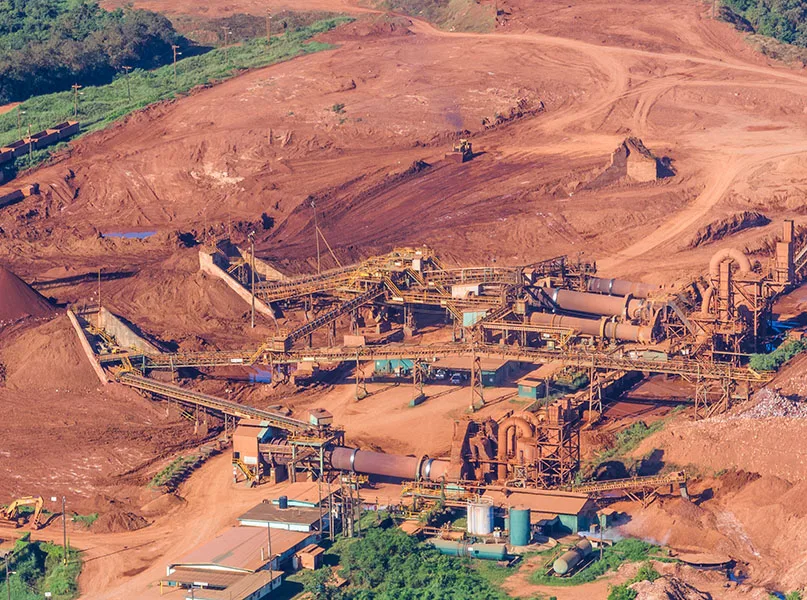
CBG’s main extraction site, the Sangarédi mine, was commissioned in 1973 and extends over a vast lateritic plateau, known for the richness and quality of its bauxite deposits.
The site has significant reserves, estimated at several billion t, and a high-alumina ore that is prized on the international market, giving the Sangarédi mine a strategic position in the global bauxite supply chain.
With an annual production capacity exceeding 18.5 million t, the mine plays a central role in CBG’s performance and stands out as a reference site in the industry.
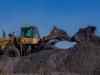
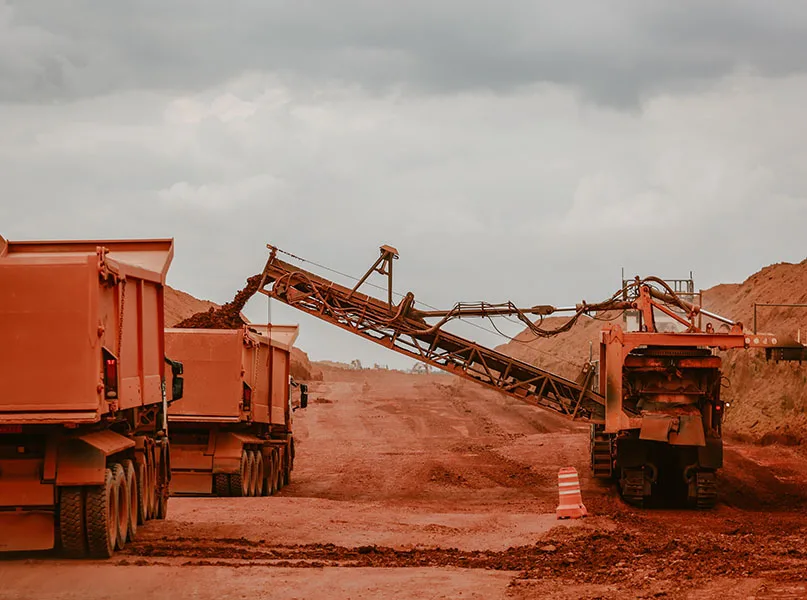
Operations at the Sangarédi mine, which are carried out using open-pit methods based on proven industrial techniques, involve stripping the surface layers, extracting the ore, and transporting it to processing facilities, where it is crushed and sized to meet customer requirements.
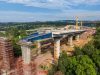
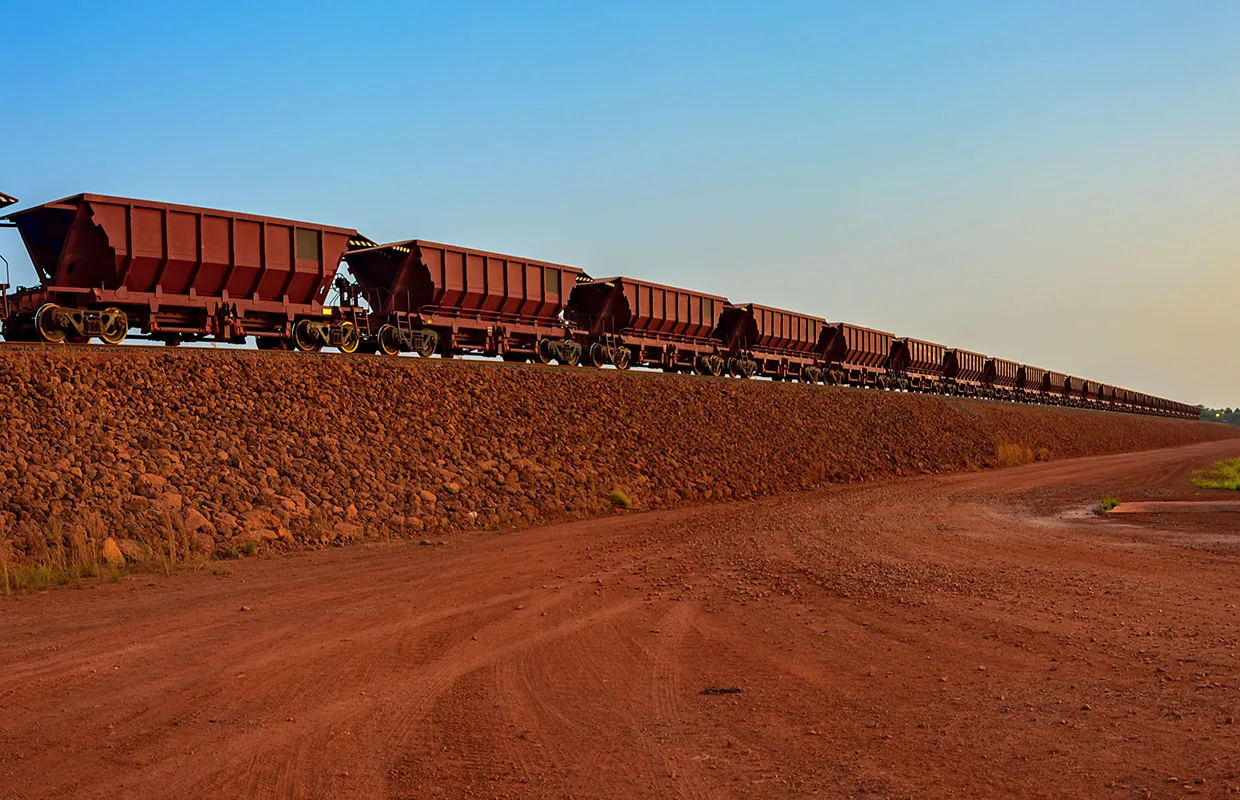
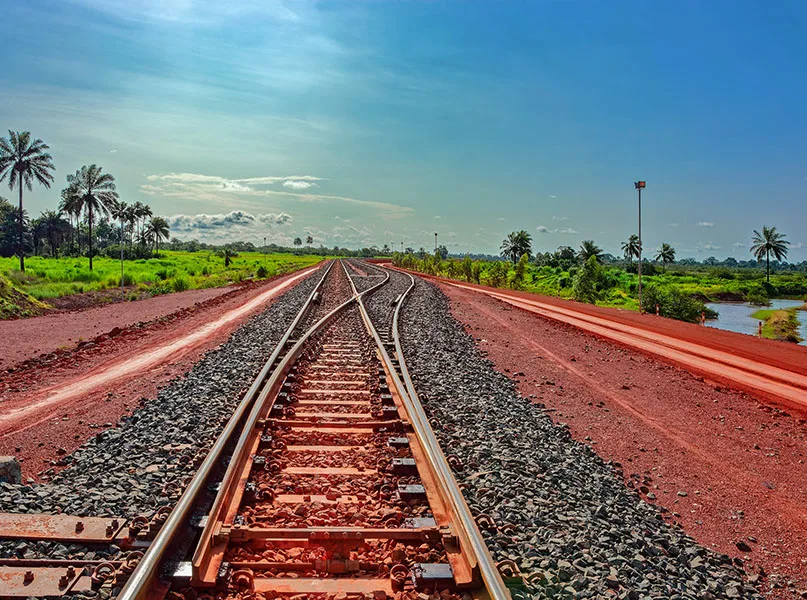
The mine benefits from an integrated logistics system based on a dedicated railway line that stretches approximately 135 kilometres (km), linking it to the port city and industrial zone of Kamsar. This ensures the continuous transport of ore to port facilities, where it is exported to international markets.
Since the start of CBG’s operations, the railway has undergone a remarkable transformation from a simple, single track to strategic infrastructure essential for both mining activities and local communities.
Today, it forms the vital axis for ore transport in Northwest Guinea, continuously supporting the performance of CBG’s operations.
The railway corridor is also entirely protected by a wire fence, guaranteeing safe and controlled traffic, particularly in densely populated areas.
INTEGRATED VALUE CHAIN
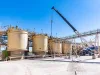
From the mine, ore is transported via the railway to CBG’s Kamsar plant – which forms the industrial heart of the company’s value chain and central hub of its operations – where it is received and then positioned on a dedicated track before being directed to the crushing pit.
This step yields three distinct particle sizes, optimising the ore’s preparation for subsequent phases. The bauxite is then transferred to the drying kilns, where its moisture content is rigorously reduced to three percent, guaranteeing its quality for export.
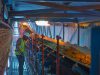
Once dried and graded, the bauxite is transported via a 2 km conveyor to the mineral quay for loading onto ships. Between the kiln outlet and this conveyor, two strategic devices – the sampling tower and weighing scale – ensure precise control of quality and volume.
To support continuous and efficient production, the Kamsar plant has a high-capacity stacker, enabling CBG to build strategic stocks and maintain a high operational rate – a hallmark of the company’s industrial power.
Evidently, CBG’s operations are part of an integrated value chain, with the port as the final strategic link.
This key piece of infrastructure is operated in close collaboration with long-standing partner, Agence Nationale d’Aménagement des Infrastructures Minières (ANAIM), in strict compliance with national and international conventions governing maritime activities.
Equipped with high-performance nautical resources, the port efficiently handles the berthing and unberthing of ships, particularly at CGB’s ore quay, which offers the capacity to simultaneously accommodate two 60,000 t ships.
Loading operations, completed in less than 24 hours, guarantee smooth operation, efficiency, and compliance with the most demanding standards.
In the spirit of continuous improvement, regular dredging operations are carried out to maintain the depths necessary for navigation, whilst fleet maintenance helps to optimise the availability and performance of nautical equipment.

SOCIOECONOMIC IMPORTANCE
Guided by the values of operational excellence, integrity, respect, and well-being, CBG goes beyond simply exploiting a strategic mineral resource.
By producing high-quality bauxite essential in various industries such as construction, transportation, energy, and technology, the company actively contributes to Guinea’s socioeconomic development.
Indeed, CBG has been a major contributor of more than USD$5 billion to Guinean government revenue, affirming its important strategic role in the national economy.
Through the responsible exploitation of its resources, the company also makes a significant contribution to creating jobs and upskilling locals.
CBG represents over 7,000 direct and indirect jobs, mostly from the Boké region, with 100 percent of the workforce in its operations being Guinean.
The company has progressively evolved Sangarédi and Kamsar into modern, well-organised, and truly integrated urban environments over the years, designed to support CBG’s activities whilst guaranteeing a suitable living environment for employees and their families.
Today, they have comprehensive infrastructure including housing, internal road networks, schools, healthcare facilities, and administrative and community amenities. A stable, secure, and functional living environment also contributes to residents’ quality of life and overall project success.
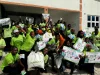
These communities are further distinguished by their social dynamism, with the company actively promoting sports such as football, basketball, and athletics through regularly organised competitions and activities.
Such initiatives strengthen cohesion, foster team spirit, and encourage the inclusion of young people from surrounding areas.
On a cultural and community level, the company supports numerous initiatives aimed at promoting cultural diversity, artistic expression, and community spirit. Cultural events, community days, and educational activities strengthen social bonds and foster the well-being of local populations.
In another initiative, CBG has reinstated a passenger train service on its railway, directly benefitting communities. This is part of a strategy to share railway infrastructure, effectively combining mining transport and inter-city mobility.
It concretely illustrates CBG’s operational expertise and ability to develop integrated logistics solutions with high socioeconomic value.
SUSTAINABLE DEVELOPMENT
Aside from its industrial performance, CBG plays a structuring role in communities through investment in infrastructure, education, health, and environmental protection.
An ongoing commitment to sustainable development makes CBG a strategic partner for Guinea, combining economic growth with a positive impact on local communities.
A pioneer in community development and local content promotion, the company bases its actions on a philosophy of creating shared value.
CBG adheres to rigorous international health, safety, quality, and environment (HSQE) standards, as evidenced by its ISO 9001, 14001, and 45001 certifications. These were awarded in 2017 and recently renewed in February this year following an audit by AFNOR Certification, with no major non-conformities.
Furthermore, the company has been certified by the Aluminium Stewardship Initiative since 2022, confirming its practices comply with international sustainability standards throughout the aluminium supply chain.
This certification reinforces CBG’s commitment to responsible, transparent, and stakeholder-friendly operations.
Positioned as a responsible corporate citizen, the company places environmental and biodiversity protection at the heart of its priorities.
CBG is committed to preserving ecosystems, preventing all forms of pollution, and ensuring rigorous management of waste generated by its activities.
The company’s waste management strategy includes the implementation of source separation systems, awareness campaigns, employee training, and waste characterisation. It also participates in international benchmarking initiatives to adopt global best practices in waste management.
Through these actions, CBG aims to make waste management a lever for environmental and social transformation, aiding the sustainable development of Guinea.
AIR AND WATER QUALITY
As an actor committed to environmental protection, CBG adopts a proactive and preventative approach to reduce emissions at the source.
Its air quality management plan aims to limit the exposure of communities and sensitive ecosystems to potentially harmful substances, including dust and gaseous emissions from its activities.
At the Kamsar plant, for example, dust capture and suppression systems have been integrated, both upstream and during the drying process, allowing for a notable reduction in emissions. Combined with a controlled-emission stack, this development reflects a clear ambition to reconcile industrial performance with environmental responsibility.
CBG has also adopted a rigorous and responsible approach to managing water, a vital resource essential to its operations and the well-being of surrounding communities.
The company is committed to protecting water resources throughout the entire lifecycle of its operations and the availability and quality of water for communities and ecosystems, in strict compliance with national regulations and international standards.
The Kamsar plant relies on a dual system – a potable water supply and a recycled water system using water from the domestic wastewater treatment plant – to meet hydration and industrial hygiene needs, which reinforces CBG’s commitment to sustainable and efficient resource management.
Monitoring programmes have also been implemented to continuously assess the impact of CBG’s activities on water resources and ensure effective management.
Moreover, the company is committed to reducing its water consumption through more efficient use and reuse initiatives. As part of this effort, the construction of a desalination plant is planned to reduce pressure on local resources and ensure a sustainable water supply for its operations.
SAFE OPERATIONS
Health and safety is another key pillar of CBG’s industrial performance and corporate social responsibility.
It is based on a fundamental principle – no activity can be considered successful if it does not guarantee the physical integrity and safety of all people involved in the company’s operations, whether that’s employees, partners, or visitors.
Within this framework, CBG relies on a structured set of 12 ‘Golden Rules’, which define the essential behaviours and requirements for preventing serious and fatal accidents. These rules govern critical situations in daily operations and constitute a common, mandatory, and non-negotiable code of conduct for all on-site personnel.
CBG continuously develops training programmes tailored to the specific risks of its mining and logistics activities, whilst also organising regular awareness campaigns to maintain a high level of vigilance.
Daily safety briefings are held in the field, where operational risks are discussed and lessons learnt are shared, whilst audits, inspections, and site visits verify the effective application of HSQE standards and identify areas for improvement.
At CBG’s Kamsar plant, safety standards are strictly adhered to throughout pre-alumina processing, contributing to the protection of CBG employees and overall reliability of its operations.
The company also leverages the progressive digitalisation of monitoring tools to enhance traceability and responsiveness in managing risk situations.
Health and safety performance is rigorously managed through key indicators that allow for objective assessment of progress and guide corrective actions.
These indicators include incident frequency and severity rates, the number of near misses reported, compliance levels during on-site inspections, and the completion rate of mandatory training. Regular analysis of this data is essential for continuous improvement and informed decision-making.
Beyond technical and organisational measures, CBG places a safety culture at the heart of its strategy. This culture is based on individual and collective commitment, where each employee is fully responsible for their own safety and that of others.
It is built through exemplary leadership, operational discipline, open communication about risks, and the promotion of safe behaviours.
Gradually, safety is becoming a shared value integrated into all work processes, thus contributing to sustainable performance and long-term viability of CBG’s operations.
This company profile was produced by the editorial team at Africa Outlook, a publication within the Outlook Publishing global network of B2B industry magazines.
Outlook Publishing showcases organisations and leadership teams shaping sectors including manufacturing, mining, construction, healthcare, supply chains, food production, and sustainability.
Africa Outlook highlights organisations driving growth, innovation, and investment across Africa’s evolving business landscape.