




Cervejas de Moçambique believes that beer exists as much more than a product – it is an ecosystem that creates jobs, builds local supply chains, and connects people. We hear why beer is one of Africa’s most powerful economic engines whilst protecting communities from harmful alcohol with CEO, Galo Rivera.
NATURAL, LOCAL, AND INCLUSIVE
Right now, Africa’s beer industry is dynamic and exhilarating thanks to a youthful population, skyrocketing urbanisation, and the expansion of formal retail and hospitality channels – even in the face of macroeconomic and inflationary pressures.
In Mozambique specifically, the beer landscape still has significant headroom for growth, both in terms of per-capita consumption and in the formalisation of the category itself.
Cervejas de Moçambique (CDM), who we last spoke to in February 2023, has been the leading brewer in the country for decades and is part of the AB InBev family, which gives the brand both a strong local heritage and access to global capabilities.
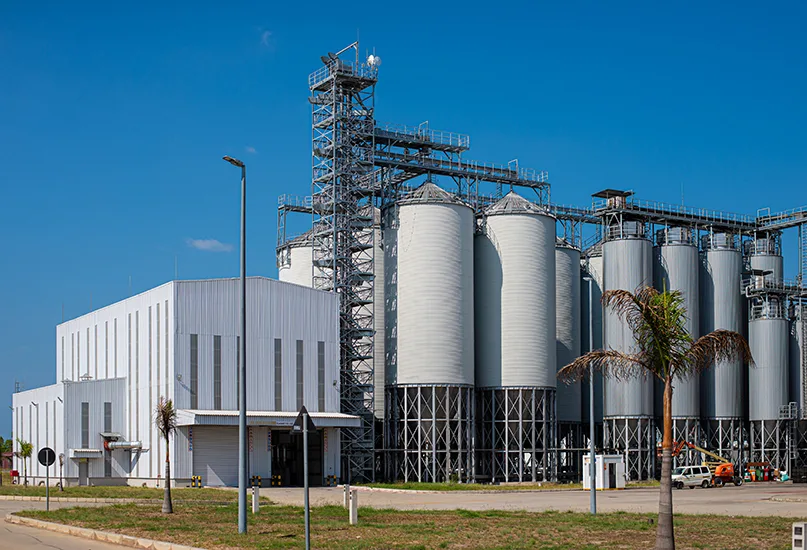
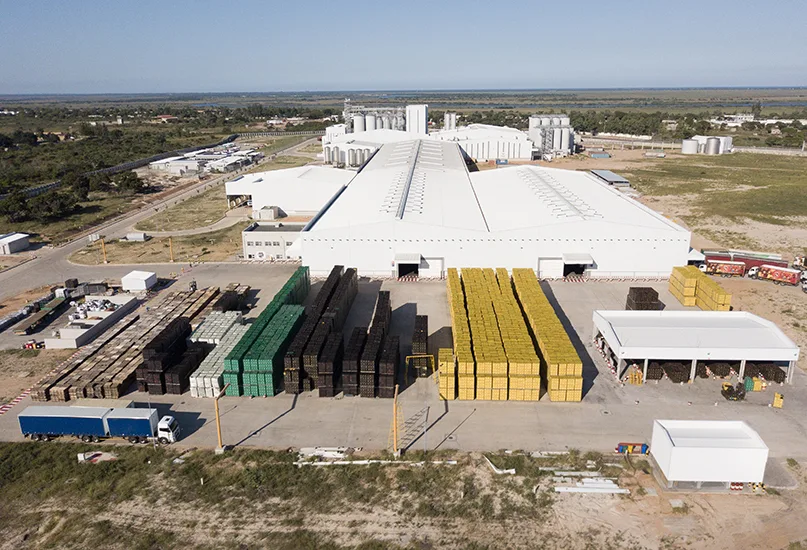
“We operate multiple breweries across Mozambique, including our large, modern site in Marracuene near Maputo, as well as facilities in other key provinces to ensure we are close to consumers and retailers nationwide,” introduces CEO, Galo Rivera.
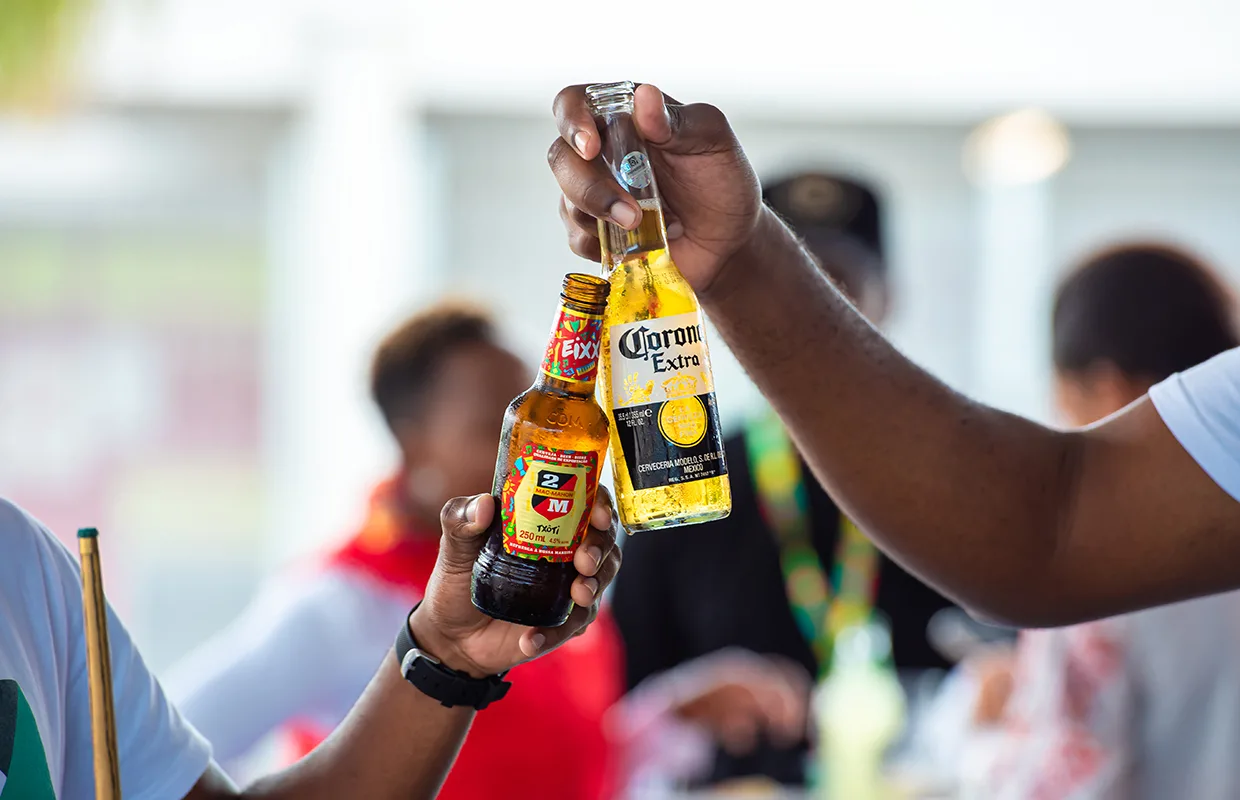
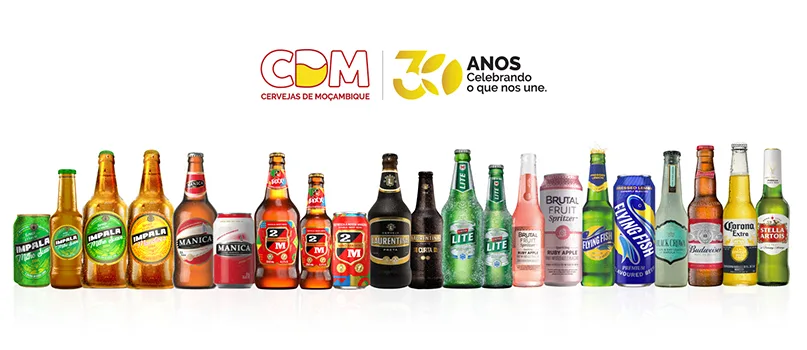
“Our portfolio spans iconic Mozambican brands such as 2M, Laurentina, Manica, and the cassava‑based Impala, alongside international brands including Castle Lite, Corona, Budweiser, Stella Artois, and others, allowing us to serve different consumer tastes and occasions,” he sets out.
CDM employs a substantial workforce directly and supports thousands more jobs indirectly through its network of farmers, suppliers, distributors, and retailers.
In essence, the company has become a truly national business – ingrained in the fabric of Mozambique’s economy and communities and focused on delivering high‑quality, affordable, and responsible beer to customers every day.
SHIFTING LANDSCAPE
Rivera has identified three distinct and important trends that are currently evolving across the African beverage sector.
Firstly, he points to a steady shift from informal, often unsafe illicit alcohol to formal, regulated beer, which brings better health outcomes and more predictable tax revenues.
“There is also a growing preference for brands that feel local and authentic, like our core Mozambican portfolio, combined with interest in premium experiences as incomes rise.
“Finally, brewers are increasingly expected to contribute to environmental, social, and governance (ESG) priorities – from smart drinking and road safety to water, agriculture, and packaging sustainability,” Rivera observes.
In light of these shifts, CDM’s strategy is to be at the forefront of these trends, partnering with the government and communities to ensure growth in beer translates into inclusive, long‑term value for Mozambique.
At present, the company sees its primary competition not as other formal brewers, but as illicit and informally produced alcohol that does not meet safety standards or contribute to taxes and often harms communities.
“What defines CDM is our combination of deep local roots and world‑class brewing standards. 2M, for example, is more than a beer – it is a symbol of national pride, a brand that Mozambicans identify with at home and abroad,” highlights Rivera.
This summer, the company is also proud to showcase 2M as one of the sponsors of the FIFA World Cup, a valuable global platform which will help to elevate brand awareness across the globe.
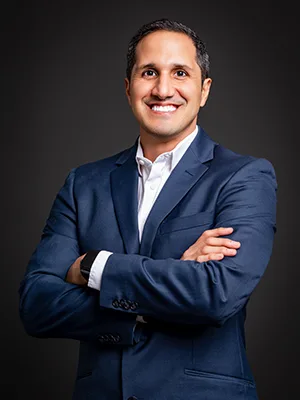
“I was drawn to this industry because it is natural, local, and inclusive, bringing together agriculture, manufacturing, logistics, hospitality, and consumers in a very tangible way”
Galo Rivera, CEO, Cervejas de Moçambique
MORE THAN A PRODUCT
Over the past 16 years, Rivera’s career has been dedicated to the beer industry and, in that time, he has come to see beer as much more than a product.
Rather, he views it as an ecosystem that creates jobs, builds local supply chains, and connects people.
“I was drawn to this industry because it is natural, local, and inclusive, bringing together agriculture, manufacturing, logistics, hospitality, and consumers in a very tangible way,” he tells us.
“As I grew in leadership roles, I saw how a well-run beer business can support government revenues through formal taxation, help shift consumption away from high‑risk, informally produced alcohol, and promote moderation and responsible enjoyment.”
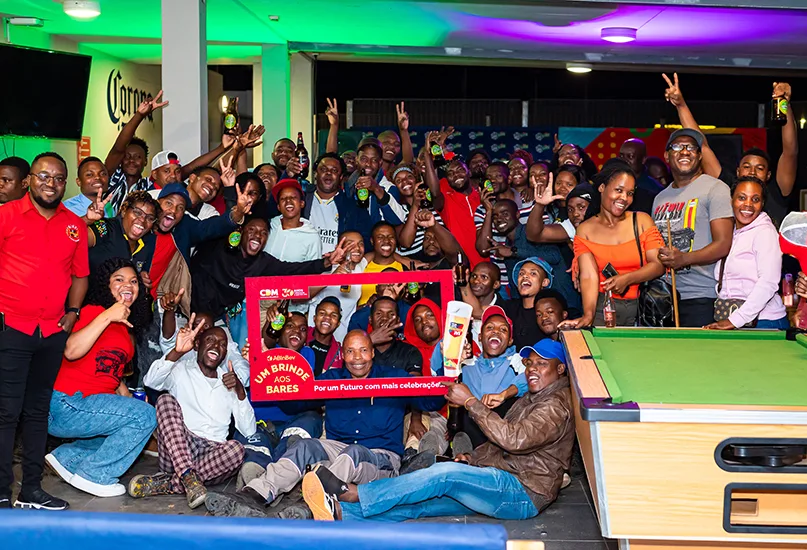
This combination of economic impact, social responsibility, and the opportunity to build something enduring for Mozambique is what keeps Rivera deeply engaged in the beverage and brewing industries today.
“What excites me about beer is that it sits at the intersection of social life, economic development, and public health,” he adds.
Beer is, by design, a drink of moderation and, when consumed responsibly, can be a powerful tool to shift people away from high‑alcohol, informally produced beverages that pose real risks to communities.
“What excites me about beer is that it sits at the intersection of social life, economic development, and public health”
Galo Rivera, CEO, Cervejas de Moçambique
STRENGTH AND RESILIENCE
Since we last caught up with CDM, its focus has been on disciplined growth, operational excellence, and deeper local integration.
In 2024, the company’s profits almost tripled year‑on‑year, reflecting both strong top-line momentum and improved efficiency, and this trajectory continued in 2025 despite a challenging macroeconomic environment.
“The ramp‑up of our Marracuene brewery has been a cornerstone of our recent success, enabling us to increase capacity, improve quality, and support the reliable supply of cold beer across the country,” Rivera details.
“At the same time, we have expanded our work with local suppliers and farmers, particularly around cassava for Impala, helping to create more stable demand and income in rural areas.”
Meanwhile, CDM has stepped up its investments in responsible drinking and community initiatives, including clean water access near its breweries and campaigns against underage and harmful drinking.
“Overall, the last three years have been about building a stronger, more resilient CDM that can support Mozambique’s development over the long-term,” he prides.
THE NEXT STEPS TO SUCCESS
Looking ahead, CDM’s priority is to remain at the heart of Mozambique’s growth story.
That means three things – first, continuing to drive sustainable, profitable growth in beer by expanding its reach, strengthening core brands like 2M and Laurentina, and offering more choice across price points and occasions, including moderation‑focused innovations.
“We are also looking to accelerate the formalisation of the alcohol market by making legal, quality beer more accessible and by working with authorities to combat illicit and unsafe products,” Rivera discloses.
“Thirdly, regarding deepening our local impact, we are prioritising more local sourcing, industrialisation around packaging, as well as new partnerships on water, agriculture, and smart drinking.”
Rivera passionately believes beer is exciting because it is deeply local – brewed with local ingredients, reflecting local tastes, and present at key moments of celebration.
“Being able to shape that ecosystem in a way that promotes moderation, safety, and shared prosperity is what makes this industry uniquely motivating for me.
“Our ambition is clear – we want CDM to be recognised not only as the leading brewer, but as a long‑term partner in Mozambique’s socioeconomic development, creating value for consumers, customers, employees, farmers, and the country as a whole,” he finishes with pride.
This company profile was produced by the editorial team at Africa Outlook, a publication within the Outlook Publishing global network of B2B industry magazines.
Outlook Publishing showcases organisations and leadership teams shaping sectors including manufacturing, mining, construction, healthcare, supply chains, food production, and sustainability.
Africa Outlook highlights organisations driving growth, innovation, and investment across Africa’s evolving business landscape.