




In an exclusive, first-hand personal account from the field, Machalin Parsaramen, Carbon Projects Development Manager at TASC, explores the often-overlooked co-benefits of carbon projects.
THE HUMAN IMPACT OF HIGH-INTEGRITY CARBON
After several years of turbulence, carbon markets are beginning to find a firmer footing. Integrity initiatives, clearer standards, and evolving guardrails are restoring confidence.
As demand returns and mechanisms under Article 6 of the Paris Agreement move from theory to practice, Africa stands before a profound opportunity.
Yet, there is a risk. In the necessary focus on volumes, prices, and compliance, we can lose sight of the very reason carbon markets exist – to drive real-world change.
For Africa, seizing this opportunity means ensuring these markets deliver not only for the climate, but also for people.
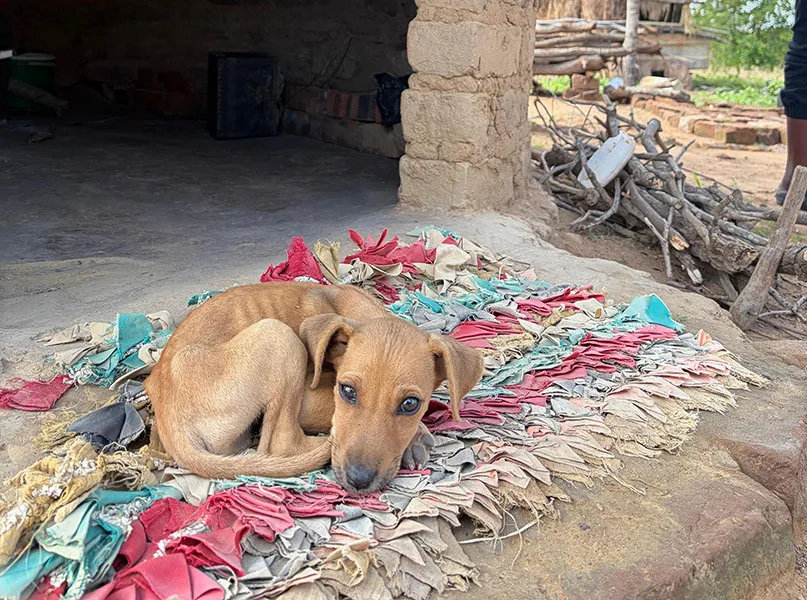
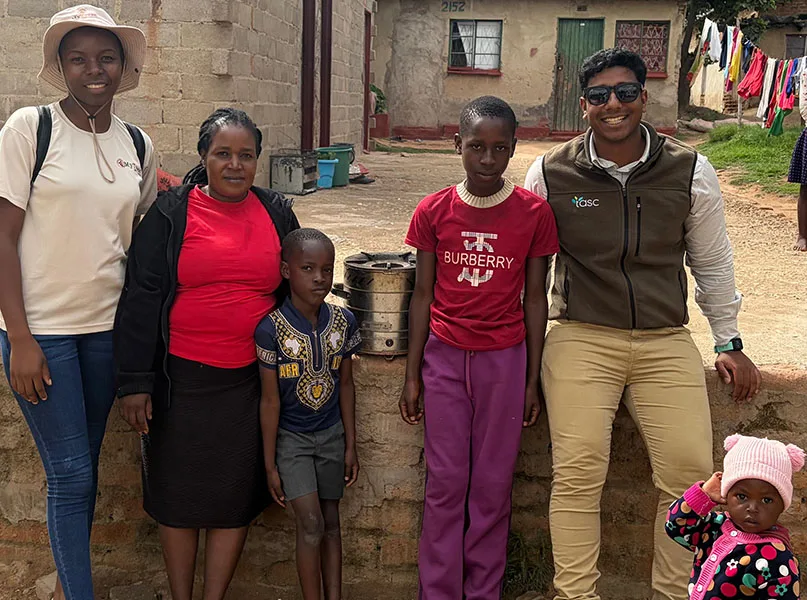
Recently, I spent time in rural Zimbabwe and found the experience to be truly grounding. Long drives, wide-open skies, and the steady rhythm of community life offered a powerful perspective.
Here, daily challenges look different to those in a corporate 9-5 environment yet are met with resilience and warmth.
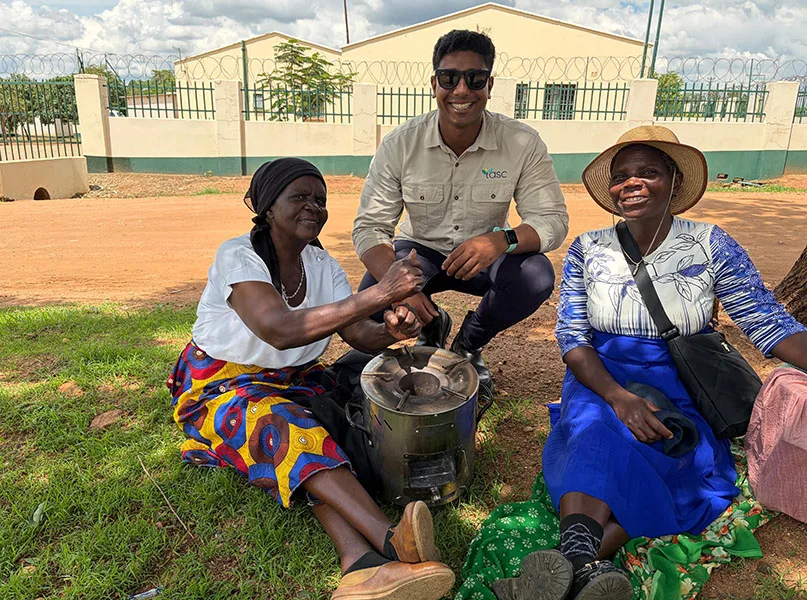
Seeing improved cookstoves in people’s homes brought to life the importance of our work – cleaner air, less time spent collecting wood, reduced costs in cases where wood is purchased, and safer kitchens.
These are not abstract co-benefits in a carbon credit project report; they are daily improvements in quality of life.

“Recently, I spent time in rural Zimbabwe and found the experience to be truly grounding. Long drives, wide-open skies, and the steady rhythm of community life offered a powerful perspective”
Machalin Parsaramen, Carbon Projects Development Manager, TASC
CATALYST FOR SUSTAINABLE DEVELOPMENT
Walking through the villages, spending time with families who have benefitted from carbon projects was a humble reminder that the value of these projects isn’t confined to spreadsheets of tonnes measured but is lived in the safer homes and stronger communities they help create.
This kind of impact should be central to Africa’s carbon market architecture. High-integrity credits should represent more than a tonne of carbon dioxide (CO2) avoided or removed.
They should reflect all the positive impacts, from jobs created and livelihoods strengthened to ecosystems restored and health protected.
When carbon finance is designed with this intention, it can be a powerful catalyst for sustainable development across our continent.
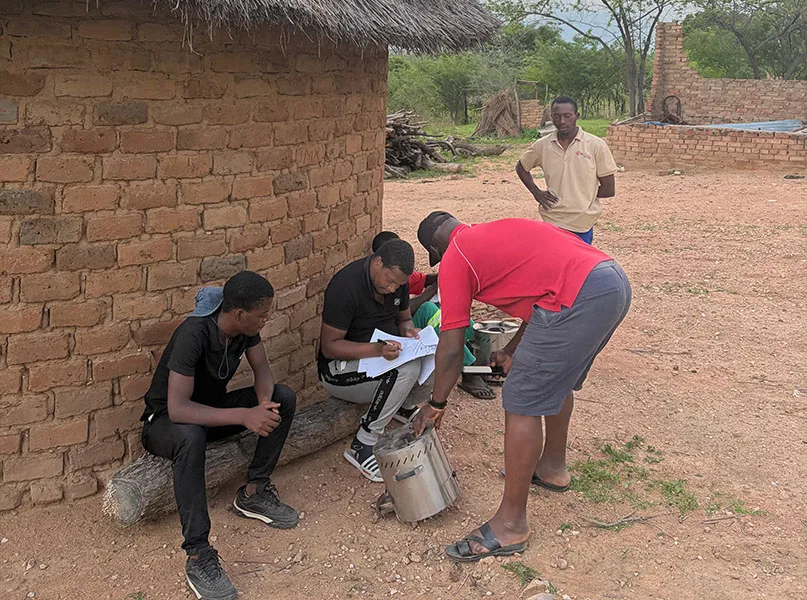
These village-level impacts also hint at something larger. Africa’s potential in carbon markets has moved from aspiration to recognition, with initiatives like the Africa Carbon Markets Initiative (ACMI) channelling investment into projects across the continent, from nature-based solutions to the household programmes that I witnessed in Zimbabwe.
The numbers tell part of the story – Africa’s share of global voluntary credits has nearly doubled from 13.5 percent in 2018 to around 25 percent in 2023.
Yet, recognition alone won’t realise this potential. Scaling Africa’s carbon market opportunity requires something more fundamental – a conscious commitment to keeping people at the centre of every project, credit, and transaction.
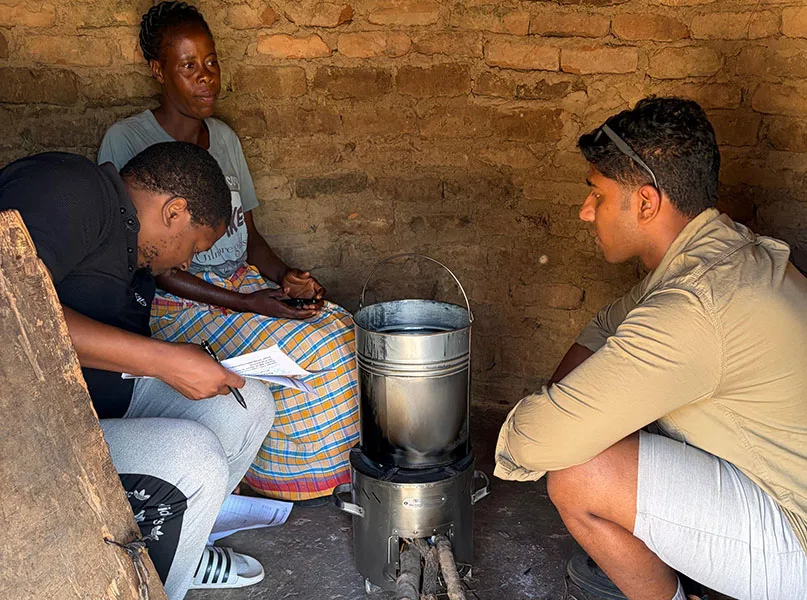
This requires championing projects where co-benefits aren’t afterthoughts but core components and programmes that embed social and environmental priorities from day one.
It means insisting on robust benefit-sharing as standard, with communities as active partners holding clear rights and fair rewards.
Transparency in revenue flows will build the trust that both local stakeholders and global buyers need.
When we get this right, we create a market that recognises and rewards the full value of high-integrity credits. A price reflecting only carbon misses the development dividend, limiting capital for projects that deliver transformative local impact.
More importantly, this foundation of integrity transforms relationships, turning distant carbon credit buyers into invested partners in Africa’s sustainable development.
CLARITY OF PURPOSE
As Africa’s carbon market undergoes significant restructuring and expansion, its next chapter must be written with clarity of purpose.
For Africa, success will not be measured in tonnes alone; it will be measured in the resilience it builds, opportunities it unlocks, and lives it improves.
As we build the systems, registries, and methodologies that will shape Africa’s carbon market, let us ensure they channel capital to where it matters most – on the ground, in communities, and into a future where climate action and human progress are inseparable.
The integrity of our market, and the prosperity it can help create, depend on keeping this purpose firmly in view.