




We celebrate the centenary of Sugar Corporation of Uganda Limited and its pioneering sustainability and community initiatives with Anil Shah, Resident Director.
SWEET CENTENARY
East Africa was still finding its feet industrially in the early 1920s, and sugarcane was seen as a remarkable opportunity – a crop that could sustain communities, drive industry, and build a nation’s self-resilience.
Sugar production in Uganda began just over a century ago when Indian industrialist and philanthropist, Nanji Kalidas Mehta, arrived with the simple vision of creating an enterprise that would serve both the people and land.
In 1924, Mehta subsequently established the Sugar Corporation of Uganda Limited (SCOUL), a Mehta Group company and one of the oldest and most visible agro-industrial firms in the country. Today, the Mehta Group is headed and managed by Mahendra Nanji Mehta.
SCOUL had modest beginnings in Lugazi, a town in the Buikwe District of Uganda, with a small milling operation and a handful of determined workers.
“The challenges were immense – from taming the wild land to setting up machinery shipped halfway across the world – but the spirit of possibility kept us going. It was fascinating to see how sugar connected agriculture and industry; it demanded both scientific precision and human care,” reflects Anil Shah, Resident Director.
“Over time, our commitment deepened beyond business. We wanted to create livelihoods, modernise agriculture, and contribute to Uganda’s growth.”
Today, as part of the Mehta Group, SCOUL takes pride in seeing that same pioneering spirit alive in the new generation – using technology, renewable energy, and sustainable practices to continue the legacy that began with bare hands and a bold dream.
LUGAZI COMPLEX
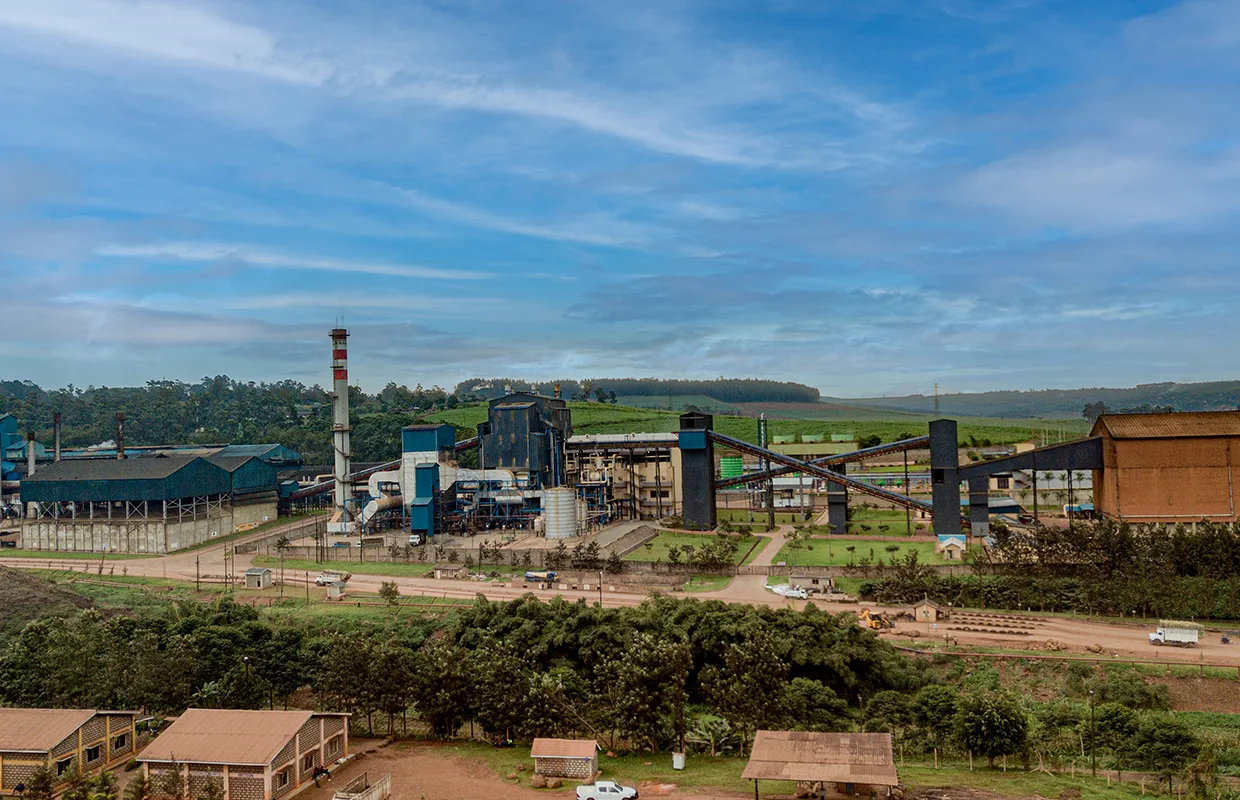
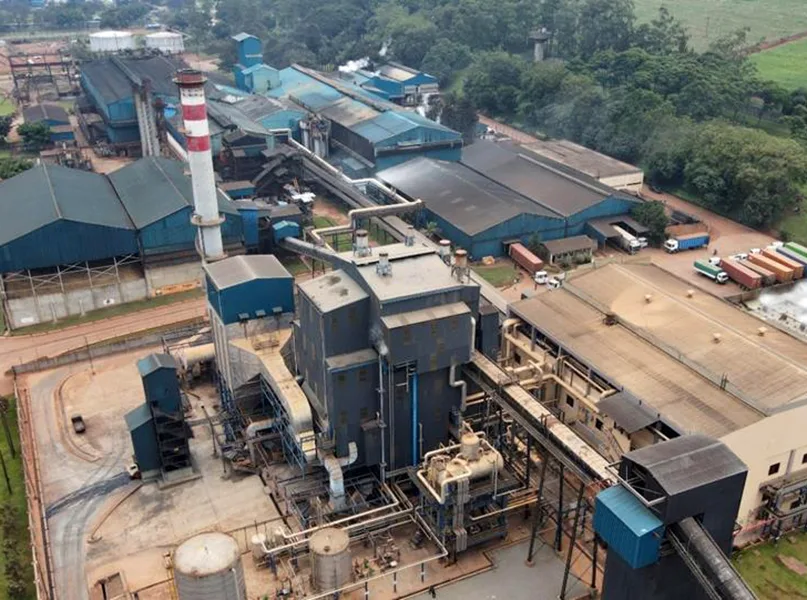
SCOUL’s operations are centred on a fully integrated sugar complex in Lugazi, where the company was originally founded over 100 years ago.
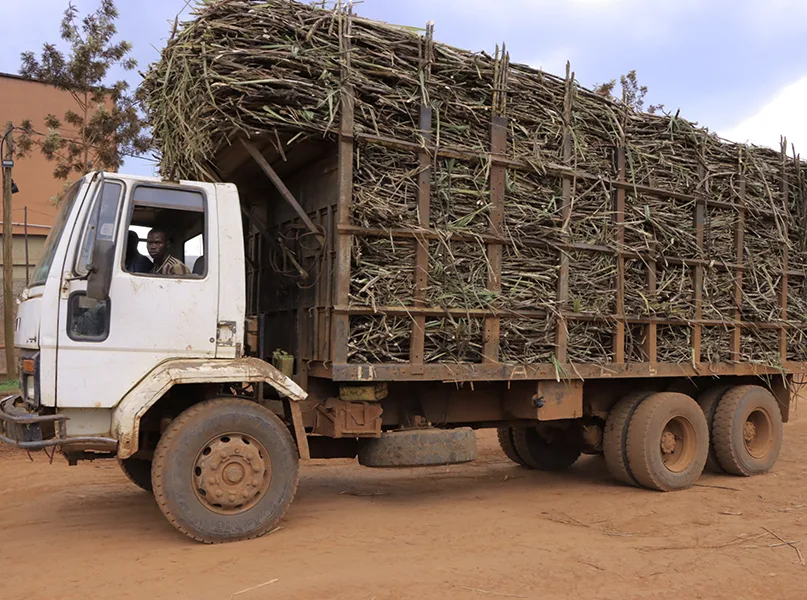
Sugarcane is grown on the SCOUL estate – comprised of 16,000 hectares (ha) of large, contiguous plantations – and purchased from an expansive network of several thousand outgrowers.
The company processes sugarcane into crystalline sugar for domestic sale and regional export at its factory, which has a production capacity of 125,000 tonnes per annum (tpa).
This accounts for a significant proportion of the country’s sugar production, which has grown substantially according to the Uganda Sugar Manufacturers Association, increasing from 100,000 tpa in the 1980s to more than 600,000 tpa by 2024.
“We supply across all Ugandan wholesalers and the industrial sugar market,” outlines Shah.
Historically, SCOUL’s sugar has also been marketed across East and Central Africa in Kenya, Tanzania, Rwanda, Burundi, the Democratic Republic of the Congo (DRC), South Sudan, and Ethiopia.
Uganda is trying to boost its export volumes and value addition, with the Uganda Sugar Industry Stakeholders’ Council recently inaugurated in October 2025 to strengthen regulation, productivity, and exports.
“Given the size of the domestic market, and the neighbouring regional markets within East Africa, there’s latent demand, especially as processing, logistics, and by-product use improve,” Shah notes.
COGENERATION PLANT
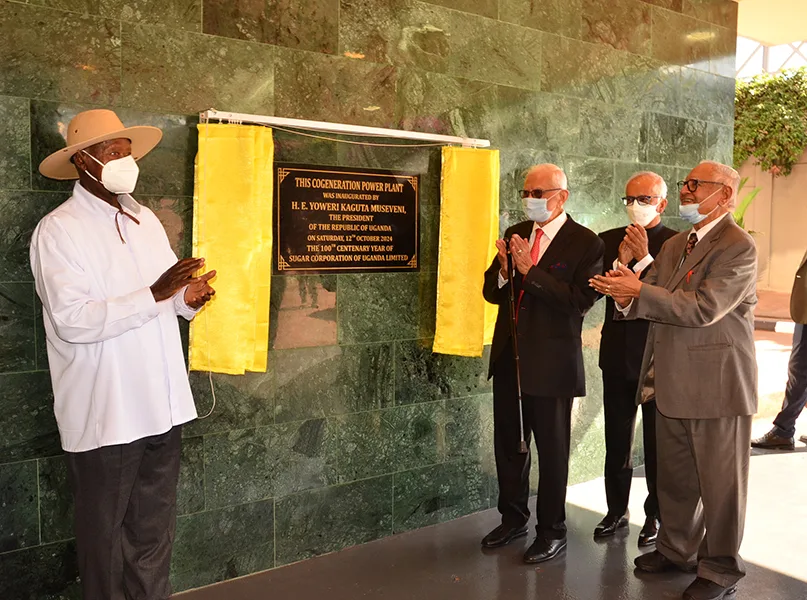
In 2021, SCOUL successfully commissioned a USD$50 million cogeneration plant at its Lugazi complex, which generates 30 megawatts (MW) of electricity from bagasse, the fibrous residue of crushed sugarcane.
Of this, around 12 MW is used to power the factory’s operations, including as fuel for the boilers, with the surplus power exported to the grid, contributing clean renewable energy to national supply.
Development finance institutions, including FMO and Proparco, have helped fund the project to expand SCOUL’s power exports and increase the value of bagasse.
“This project is particularly important to us because it reflects our belief that every by-product has value,” affirms Shah.
“Instead of treating sugarcane residue as waste, we have turned it into a sustainable energy source, aligning with Uganda’s industrial energy diversification goals and reducing carbon emissions.”
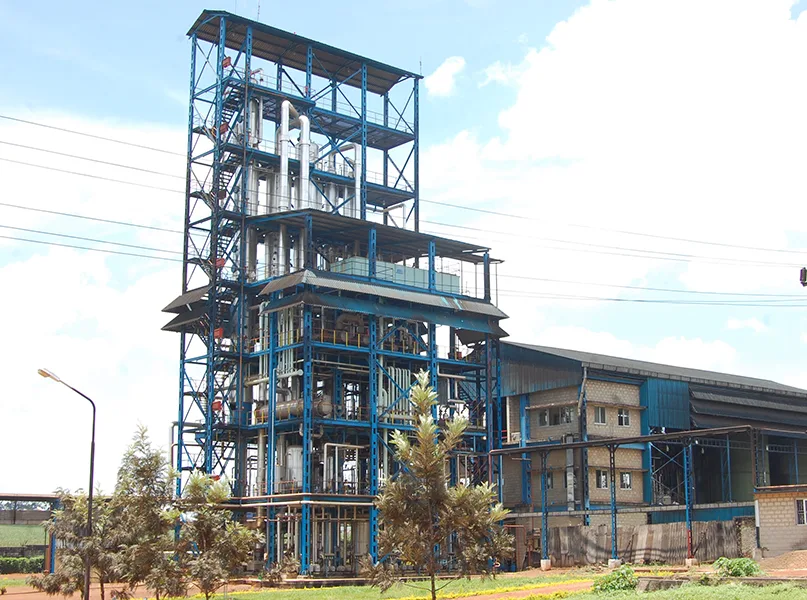
Molasses, another by-product of sugarcane production, is processed by SCOUL to produce extra neutral alcohol (ENA) in the distillery.
Then, the distillery-treated effluent is converted into manure with press mud produced from the filtration of sugarcane juice and used in the fields.
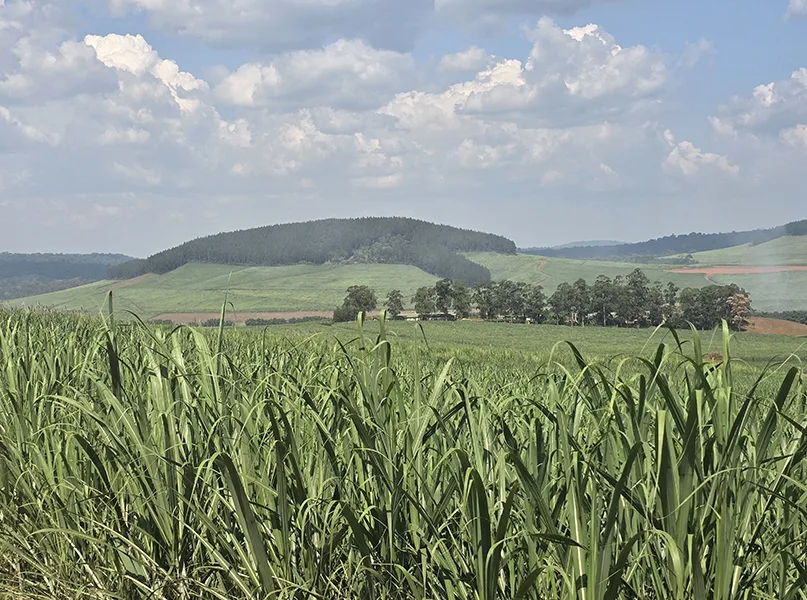
Carbon dioxide produced from the fermentation of alcohol is also processed to food-grade standards, thus ensuring zero waste discharge throughout the process.
“We’re a pioneer of sustainable energy practices where no part of the sugar production process goes to waste,” Shah tells us.
By-products such as bagasse and molasses open up industrial and power generation linkages, which are competitive advantages for the company as it progresses towards energy self-sufficiency and revenue diversification via cogeneration and distillation.
Aside from the cogeneration plant, SCOUL plans to expand the ENA production capacity of its distillery, whilst other sustainable projects in the pipeline are being discussed.
Several road upgrades and water projects are also underway within the Lugazi catchment area, with approximately 30 water borehole hand pumps installed by the company in neighbouring communities.
“All these investments are about sustainability and value creation – not just for SCOUL, but for our growers and communities,” enlightens Shah.
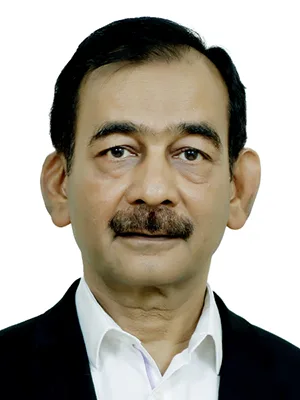
“Instead of treating sugarcane residue as waste, we have turned it into a sustainable energy source, aligning with Uganda’s industrial energy diversification goals and reducing carbon emissions”
Anil Shah, Resident Director, Sugar Corporation of Uganda Limited
SERVING THE COMMUNITY
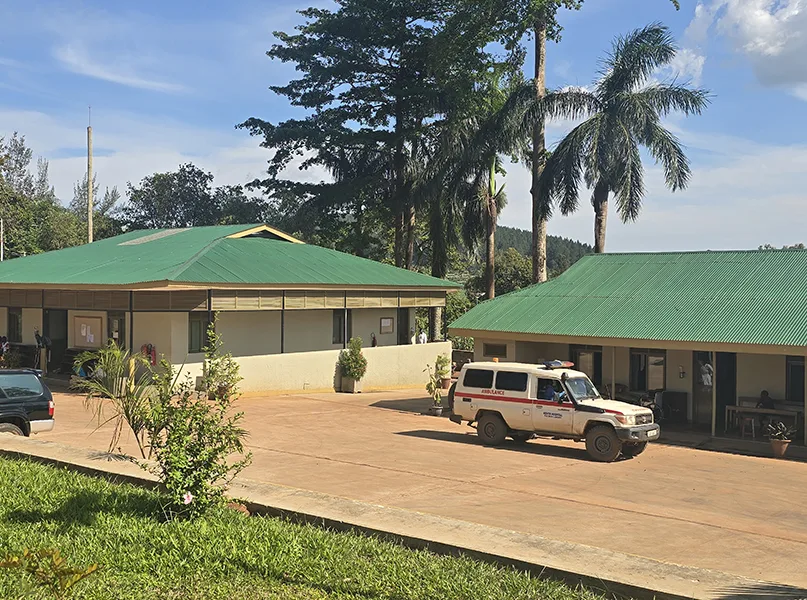
Alongside the cogeneration plant, SCOUL operates a fully functional hospital and an education complex within the estate.
“Our philosophy has always been that we must serve the community,” Shah emphasises.
SCOUL’s 9,000+ employees, together with their families – totalling more than 36,000 people – receive free medical treatment from the Mehta Hospital.
Equipped for maternal care, laboratory services, and emergency response, the 60-bed hospital played a crucial public health role in the Buikwe District during the COVID-19 pandemic.
Meanwhile, the children of over 6,000 SCOUL staff and community members are provided with subsidised education by the two nurseries, 14 primary schools, and one secondary school on the SCOUL estate.
The Mehta Group, of which SCOUL is a subsidiary, is also committed to nurturing sports talents, providing facilities including football pitches, a cricket stadium, a basketball court, and a baseball pitch.
History was made in 2012 when the Mehta Little League under-12 baseball team made it through to the Little League World Series (LLWS) held in Pennsylvania, US.
“They were the first team to represent Africa in the history of the LLWS and won over many fans, including former US President Barack Obama,” prides Shah.
In addition, SCOUL has an international-standard 18-hole golf course and an academy that gives free intensive training and equipment to more than 60 kids annually.
“Several children from the programme have represented Uganda in boys’, girls’, men’s, and women’s national golf teams, and five graduates from the Mehta Golf Academy have received scholarships to universities in the US,” he adds.
“As we move into our second century, our commitment is to modernise responsibly – embracing technology, sustainability, and inclusivity whilst staying true to the values of hard work and partnership that built this company”
Anil Shah, Resident Director, Sugar Corporation of Uganda Limited
INTO THE NEXT CENTURY
The centenary that SCOUL celebrated in 2024 was not just a corporate milestone, but a story of resilience, community, and vision.
“Our success rests on the dedication of thousands of Ugandans who have worked the land, run the machines, and built the communities around Lugazi,” Shah reflects.
“As we move into our second century, our commitment is to modernise responsibly – embracing technology, sustainability, and inclusivity whilst staying true to the values of hard work and partnership that built this company.”
For 2026, SCOUL’s immediate focus is threefold – firstly, to increase its sugar recovery rate and expand its sugar output beyond 125,000 tpa, whilst improving efficiency through automation.
The company also aims to achieve full operational optimisation of its cogeneration plant, continue improving employee welfare, expand its scholarship and healthcare programmes, and ensure environmental stewardship through reforestation and waste-to-energy initiatives.
“We want SCOUL to be recognised not only as Uganda’s oldest sugar producer but also as one of Africa’s most sustainable agro-industrial enterprises,” closes Shah.
SUGAR CORPORATION OF UGANDA LIMITED PARTNER