





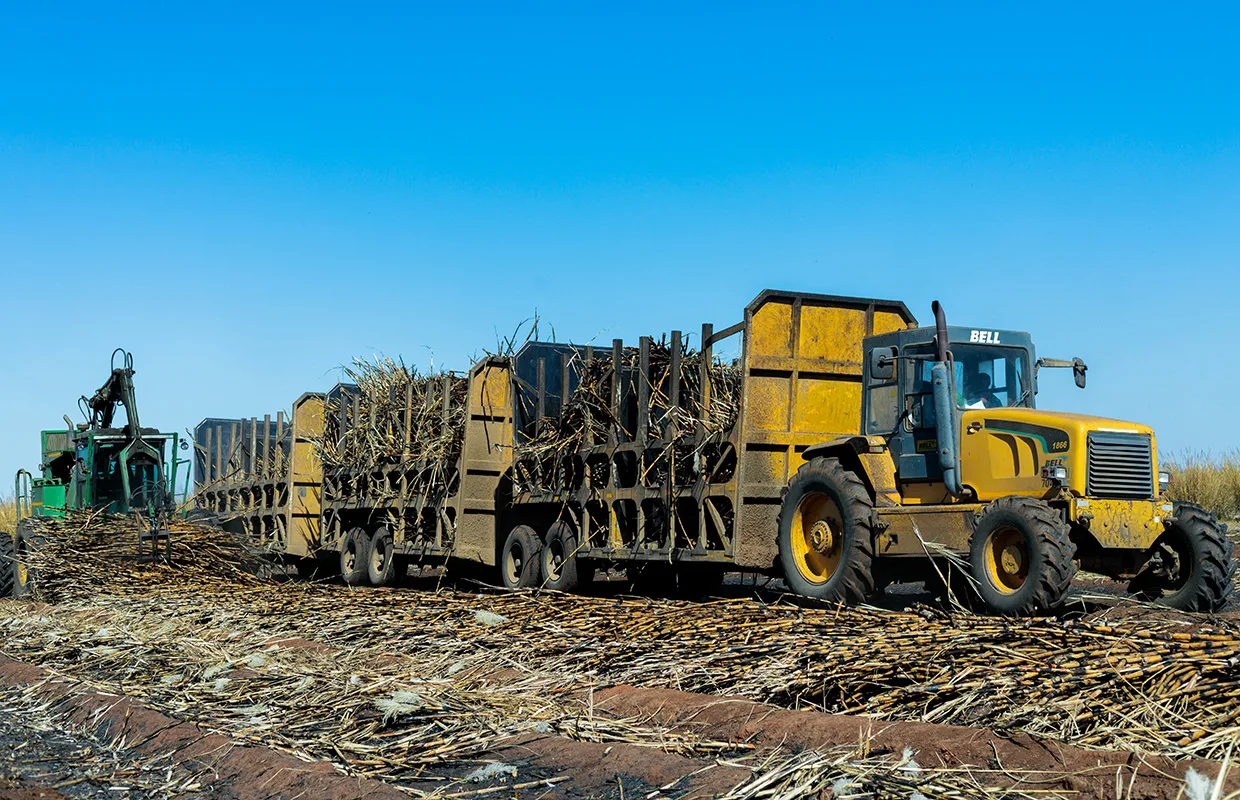
As the largest and oldest sugarcane producer in the country, Tongaat Hulett Zimbabwe is sweetening the agribusiness landscape. Tendai Masawi, Managing Director, talks us through the unwavering success of the company’s two leading estates and how it continues to uplift the market.
ZIMBABWE’S SWEET SPOT
Zimbabwe has experienced a flourishing agribusiness landscape over the last 12 months thanks to the ongoing broadening of wheat, sugar, and tobacco production.
Coinciding with a strong revival in horticulture, each offers opportunities in exports, food security, and value addition.
In fact, the agricultural sector is expected to register close to 10 percent growth this year, making it one of the fastest-expanding industries in the nation’s economy.
Tobacco and sugar production specifically continue to claim top spot in Zimbabwe’s export potential, with the latter exceeding national demand, creating room for exports to generate foreign exchange.
Horticulture is also emerging as a strong pillar thanks to its high export value, with the trade of fruits, vegetables, and flowers to Europe and Asia increasingly gaining traction.
“The agribusiness space is growing because diversification in the sector is no longer just about tobacco; horticulture and wheat are becoming increasingly important,” opens Tendai Masawi, Managing Director of Tongaat Hullett Zimbabwe (THZ) – the country’s largest producer of sugarcane, a position it has held for nearly a century.
Founded in 1892, the agribusiness operates across two large estates, Triangle Limited (Triangle) and Hippo Valley Estates (Hippo Valley), both located in the Lowveld region of Zimbabwe.
Triangle is the oldest sugarcane estate in the country, having been developed in the 1930s, with the first official sugar mill opening in 1939.
Hippo Valley, meanwhile, was established 18 years later with a mandate to produce citrus.
However, a global citrus market crash in 1975 forced the estate to diversify into irrigated sugarcane production. By the end of the decade, the product had become Hippo Valley’s core business, replacing citrus as the main crop and making sugar production its primary focus.
AT THE HELM OF ZIMBABWEAN SUGAR
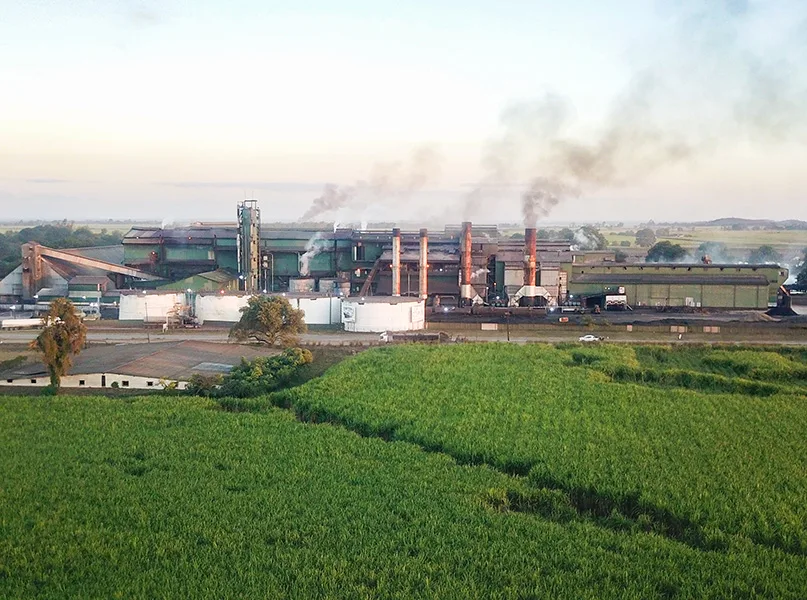
As Triangle and Hippo Valley are Zimbabwe’s only two sugar mills – with a combined installed milling capacity of about 4.8 million tonnes (t) of cane and a sugar production capacity of around 640,000 t per year – THZ is deeply committed to the country’s agricultural future.
Indeed, the company supplies most of Zimbabwe’s sugar needs and primarily exports to regional African countries such as Kenya, Zambia, and Botswana, complementing its continued trade to both the US and Europe.
Local food and beverage manufacturing industries also prove to be an important outlet for THZ, including soft drinks, beer, confectionery, and allied foods.
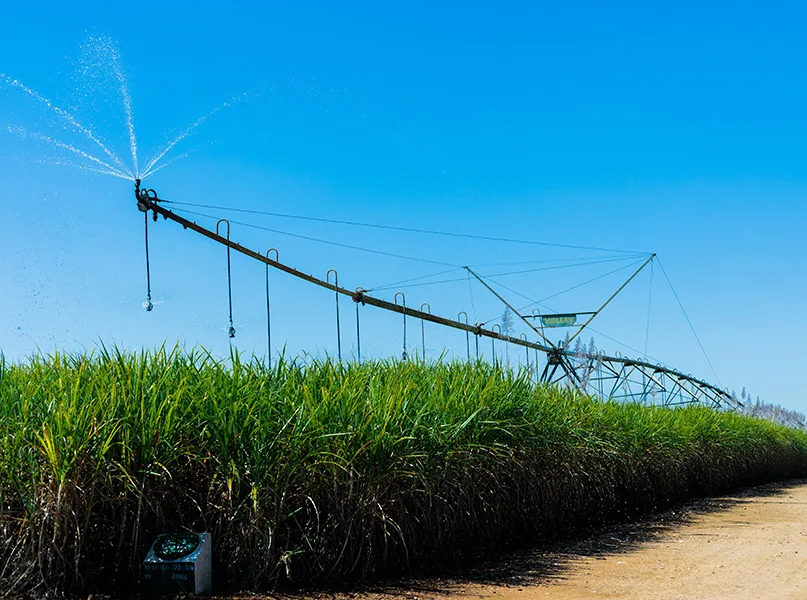
Boasting over 25,000 hectares (ha) of irrigation in its sugarcane cultivation process, THZ’s production activities in Zimbabwe complement the company’s other operations in South Africa and Mozambique, ensuring supply resilience against droughts or market shocks.
“THZ has invested in milling and refining facilities, enabling Zimbabwe to be self-sufficient in sugar and making it possible to export not only to other African countries, but also the US,” Masawi informs.
DIVERSIFCATION BEYOND SUGAR
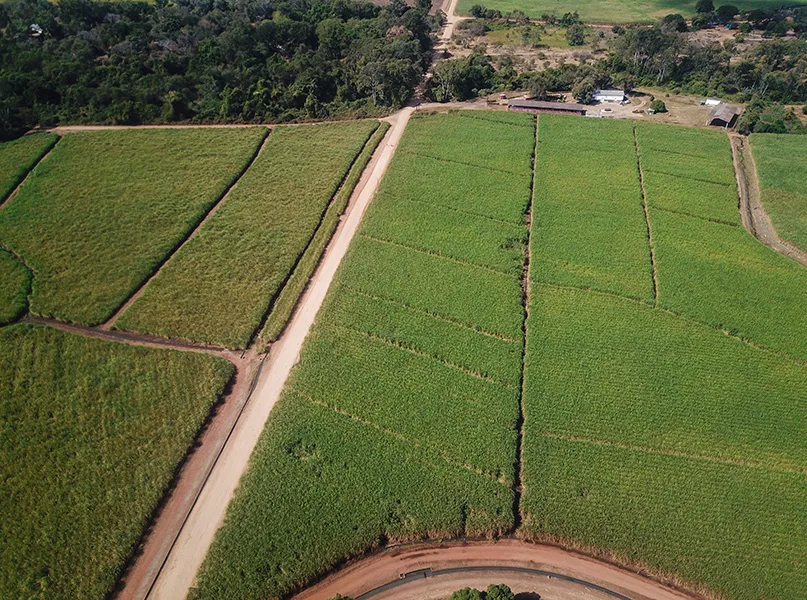
A wholly owned THZ operation, the Triangle estate produces approximately 14,000 ha of sugarcane – complementing Hippo Valley’s 11,000 ha.
“Triangle forms one of only two milling hubs in Zimbabwe, giving THZ pole position in national sugar production and enabling efficient use of shared irrigation, water storage, and logistics infrastructure when working alongside Hippo Valley,” Masawi details.
The site also includes an ethanol plant with an installed capacity of around 42 million litres (L) over a 48-week production season.
As a result, the facility typically produces around 30 million L of ethanol a year, dependent on the rate of sugar production and the seasonal availability of molasses.

“Molasses from the sugar milling process is converted into fuel-grade and industrial ethanol, adding value to a by-product stream and creating an additional revenue line for THZ over and above sugar,” he adds.
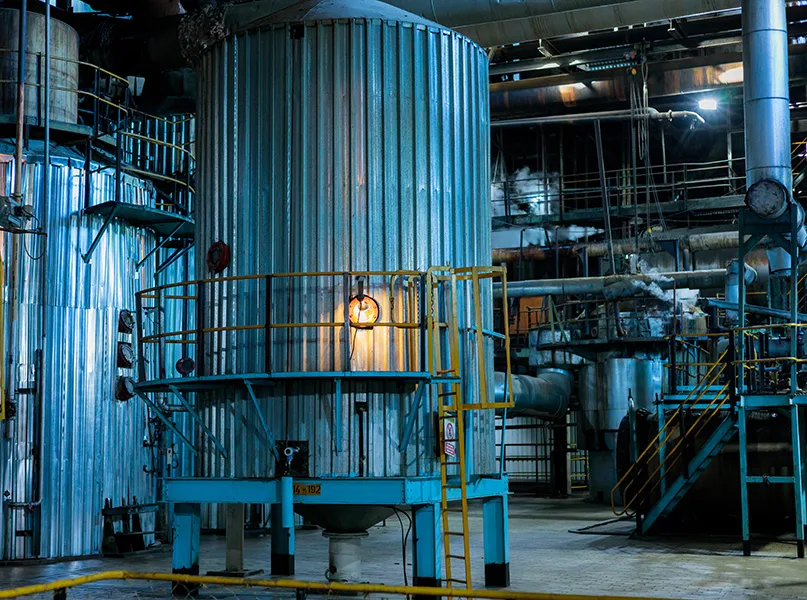
By combining large-scale cane farming, milling, refining, and ethanol production on one integrated estate, Triangle improves asset utilisation, lowers unit costs, and supports THZ’s competitive position in regional sugar and biofuel markets.
Approximately 35 percent of ethanol output – in partnership with the National Oil Infrastructure Company of Zimbabwe – is used for local fuel blending, which helps secure domestic offtake, reduce the country’s fuel import needs, and stabilise cash flows.
The remainder of the ethanol output is utilised by industrial and chemical customers, as well as those in the local food and beverage sectors.
THE PINNACLE OF VERTICAL INTEGRATION
THZ possesses a leading vertically integrated supply chain in the form of a cane-to-crystal-sugar-and-ethanol system that anchors a large agricultural technology (AgriTech) ecosystem in the Lowveld region – a major competitive advantage.
“Our position in this network strengthens resilience, supports smallholder farmers, and ensures competitiveness in both domestic and export markets,” Masawi furthers.
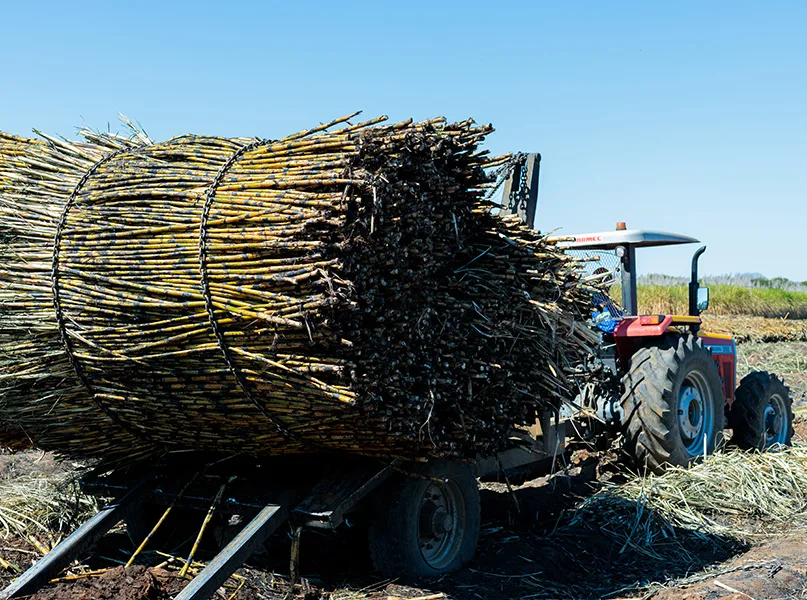
The company boasts a highly integrated sugarcane supply base through its core estates, totalling 25,000 ha, which is supplemented by roughly 22,000 ha of outgrower cane, which supplies the two estates.
“This mix of estate and private farmers creates a stable, high-volume sugarcane pipeline, whilst outgrower schemes embed THZ in local farming communities and align us with national agrarian and empowerment objectives,” he tells us.
Indeed, both Hippo Valley and Triangle form a centre of agronomic services, irrigation infrastructure, extension support, and financing structures that connect more than 1,000 private sugarcane growers into a coordinated value chain.
“Close integration with growers, processing assets, and markets reduces supply risk, improves quality consistency, and supports high plant utilisation, which is critical in a capital-intensive sugar business,” Masawi affirms.
Moreover, participation at multiple points in Zimbabwe’s AgriTech ecosystem, such as inputs, farming, processing, energy, and distribution, creates diversified earnings, deep stakeholder relationships, and a strong licence to operate, all of which underpin THZ’s resilience and long-term viability.
“By combining estate production, smallholder partnerships, and technology-driven farming, we have built a resilient and inclusive system. This not only secures sugar and ethanol output but also anchors the Lowveld economy, even amid financial and climatic challenges,” he optimistically informs.
Integration into regional export corridors additionally allows THZ to supply markets in East and Southern Africa, leveraging established logistics and trade relationships to meet demand beyond the local market.
A MOUNTAIN OF LAND SUPPORT
Launched in November 2019 through a partnership between THZ, the Government of Zimbabwe, and a consortium of local banks, Project Kilimanjaro is a large-scale agricultural expansion and empowerment scheme in the Lowveld region.
The project aims to transform 4,000 ha of virgin land into integrated sugarcane fields, intended to benefit approximately 200 new Indigenous farmers on a full-cost recovery model.
The government has been responsible for allocating land and issuing offer letters or leases to new beneficiaries, with portions of the developed area – totalling nearly 700 ha – already parcelled out to over 40 farmers under its empowerment framework.
THZ provides technical expertise, project management, and extension support, including seconding specialists to the Lowveld Sugarcane Development Trust to manage land preparation, irrigation development, and skills transfer over an initial five-year period.
Moreover, funding and land tenure are handled through government ministries and related agencies.
“For THZ, Project Kilimanjaro secures additional sugarcane throughput for its mills, spreads fixed costs, and strengthens relationships with a new generation of smallholder and medium-scale growers embedded in the national sugar value chain,” Masawi insights.
Furthermore, for the government and wider economy, the initiative is expected to create around 2,000 direct jobs, deepen rural incomes, expand exportable sugar volumes, and align with national goals on land reform, empowerment, and agrarian transformation.
“Project Kilimanjaro is more than just a land development scheme – it’s a public-private partnership that ties THZ’s commercial success to national agricultural policy. By expanding sugarcane production and empowering Indigenous farmers, it reinforces the company’s supply chain whilst contributing to Zimbabwe’s broader economic recovery,” he prides.
Indeed, the initiative is expected to transform the country’s sugar industry by expanding sugarcane supply, empowering farmers, and stabilising the Lowveld economy.

A SWEETER FUTURE
THZ has a whole host of opportunities and targets in the coming year, which will elevate it beyond the work of competitors.
Firstly, the company is working towards the continuous improvement of its operations to reduce waste and create additional milling capacity through greater reliability.
“In partnership with other stakeholders, we also want to bring a sustainable sugar value chain to fruition that rewards all participants and communities through, amongst other things, participation in a 10-year sugar value chain strategy led by the government,” Masawi closes.
Elsewhere, THZ hopes to achieve cost competitiveness across the African Continental Free Trade Area, supported by further exploration across more markets on the continent.
As well as executing various diversification opportunities to reduce reliance on existing products, 2026 is shaping up to be an exciting year for THZ.