



How Nike turns textile waste into performance fabric
This shift moves the industry closer to a circular textile system—where old garments become raw material for new ones—rather than relying on fossil-fuel-derived plastics.
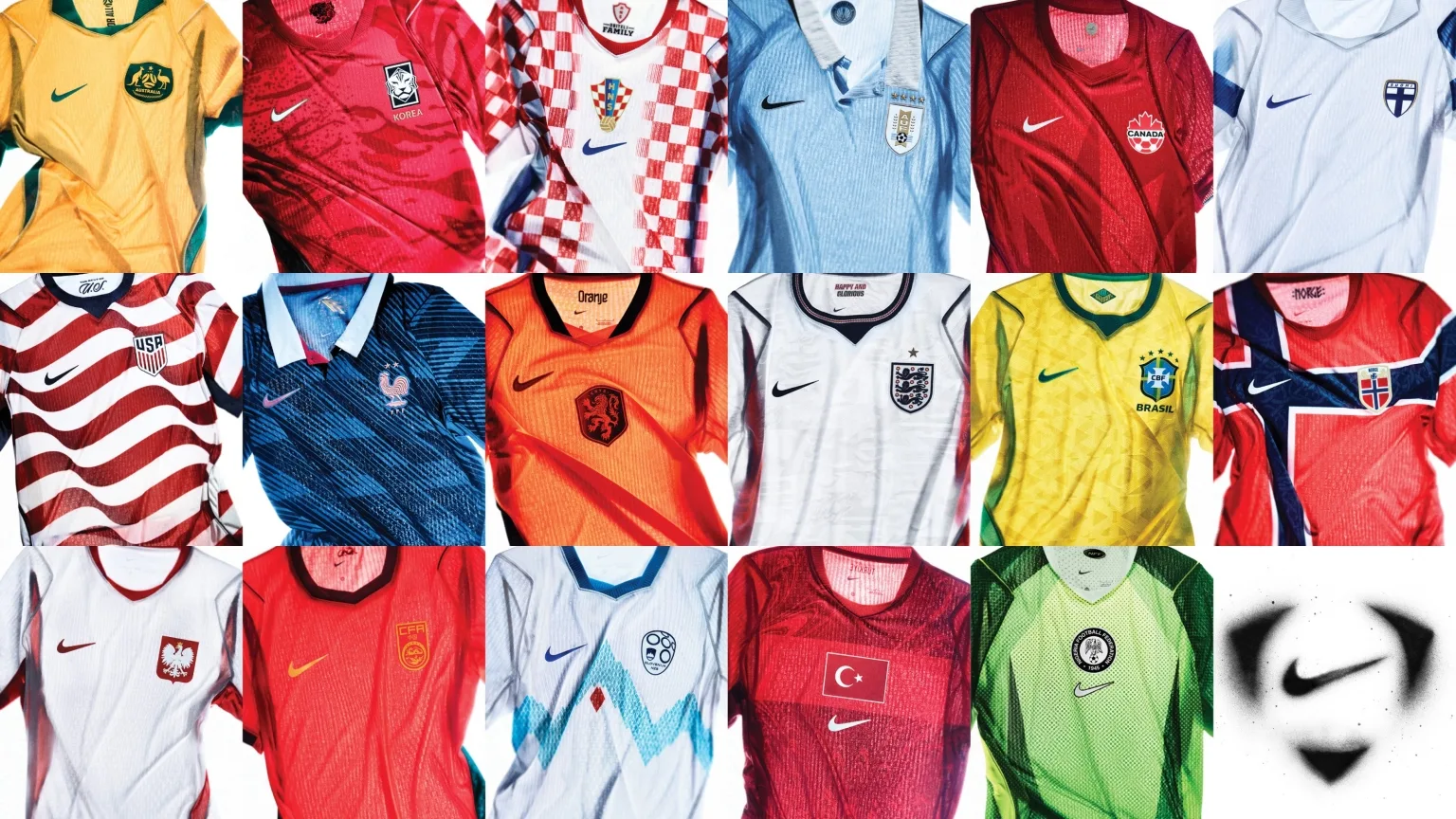
The material will debut globally in national team kits worn by Nike-sponsored federations during the tournament.
The move could help demonstrate the viability of circular textiles in high-performance apparel, a sector where durability, breathability and moisture management have historically limited the use of recycled materials.
Designed for a hotter game
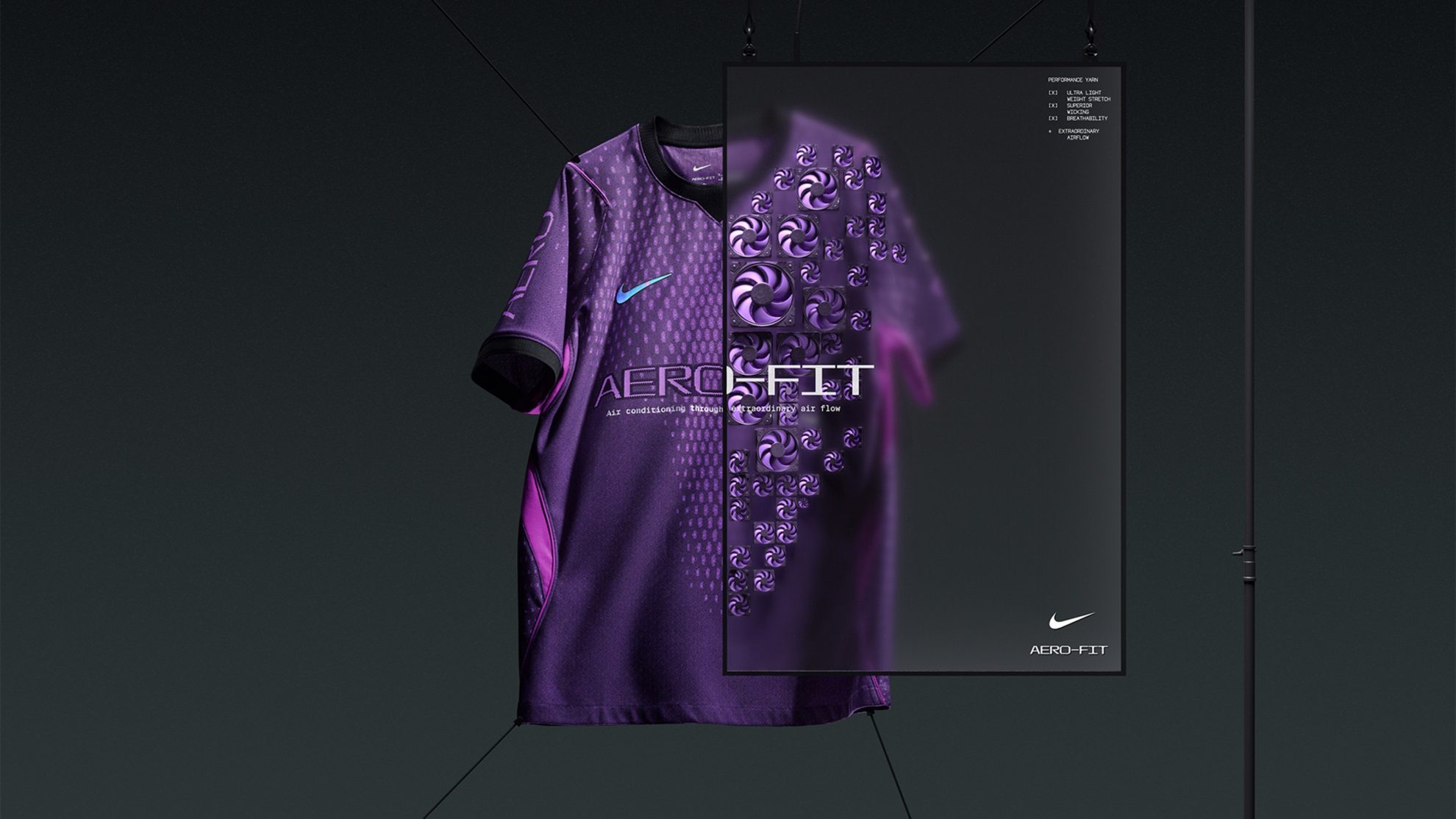
The sustainability milestone is paired with a performance innovation. Aero-FIT fabrics are engineered to move air between the skin and garment, helping athletes regulate body temperature in increasingly hot and humid conditions.
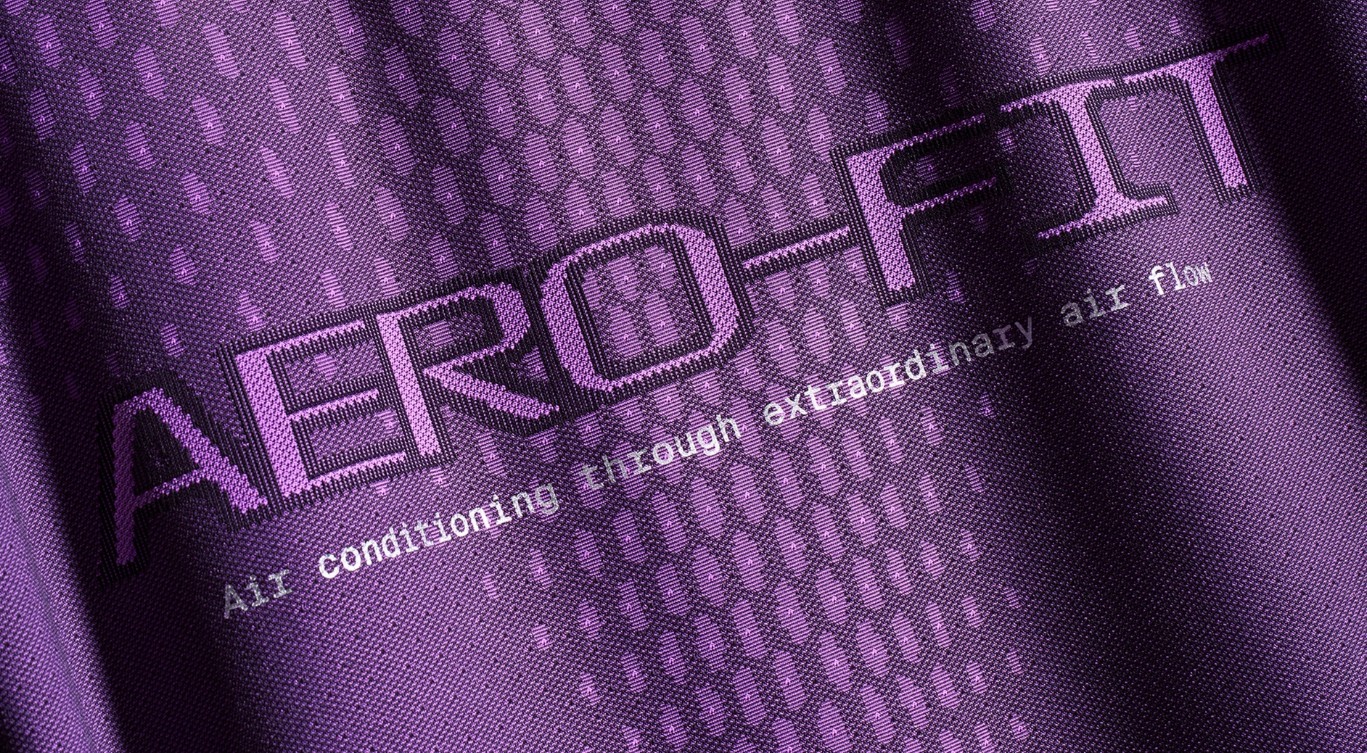
The knit fabric combines open and closed mesh zones that channel airflow across the body and slightly lift the fabric away from the skin. According to Nike, the material allows more than twice the airflow of previous fabrics, helping sweat evaporate more efficiently during play.
“Nike exists to make athletes better, and our breakthrough Aero-FIT technology delivers the future of our industry-defining apparel innovation in both elite performance and sustainability at scale,” said Janett Nichol, Vice President of Apparel and Advanced Digital Creation Studio Innovation at Nike.

Designers used heat mapping and motion data to determine where ventilation zones should be placed across the jersey, ensuring cooling benefits without compromising mobility or durability.
Climate adaptation meets circular design
The technology reflects the dual pressures facing sportswear brands: climate change and textile waste. Rising temperatures and humidity are increasingly affecting athletic performance, while the fashion industry remains one of the world’s most resource-intensive sectors.
“Our national team kits start with the athletes who wear them and the fans who stand behind them,” said Amy Montagne, President of Nike. “These kits bring the best of Nike together with an apparel innovation designed to remove climate as a variable for athletes.”
By combining circular materials with climate-adaptive design, Nike is attempting to address both challenges simultaneously.